.png)
The best waterfront resorts aren't built around a pool. They're built around a lake, a river, or a stretch of coast — and the outdoor experiences that come with it.
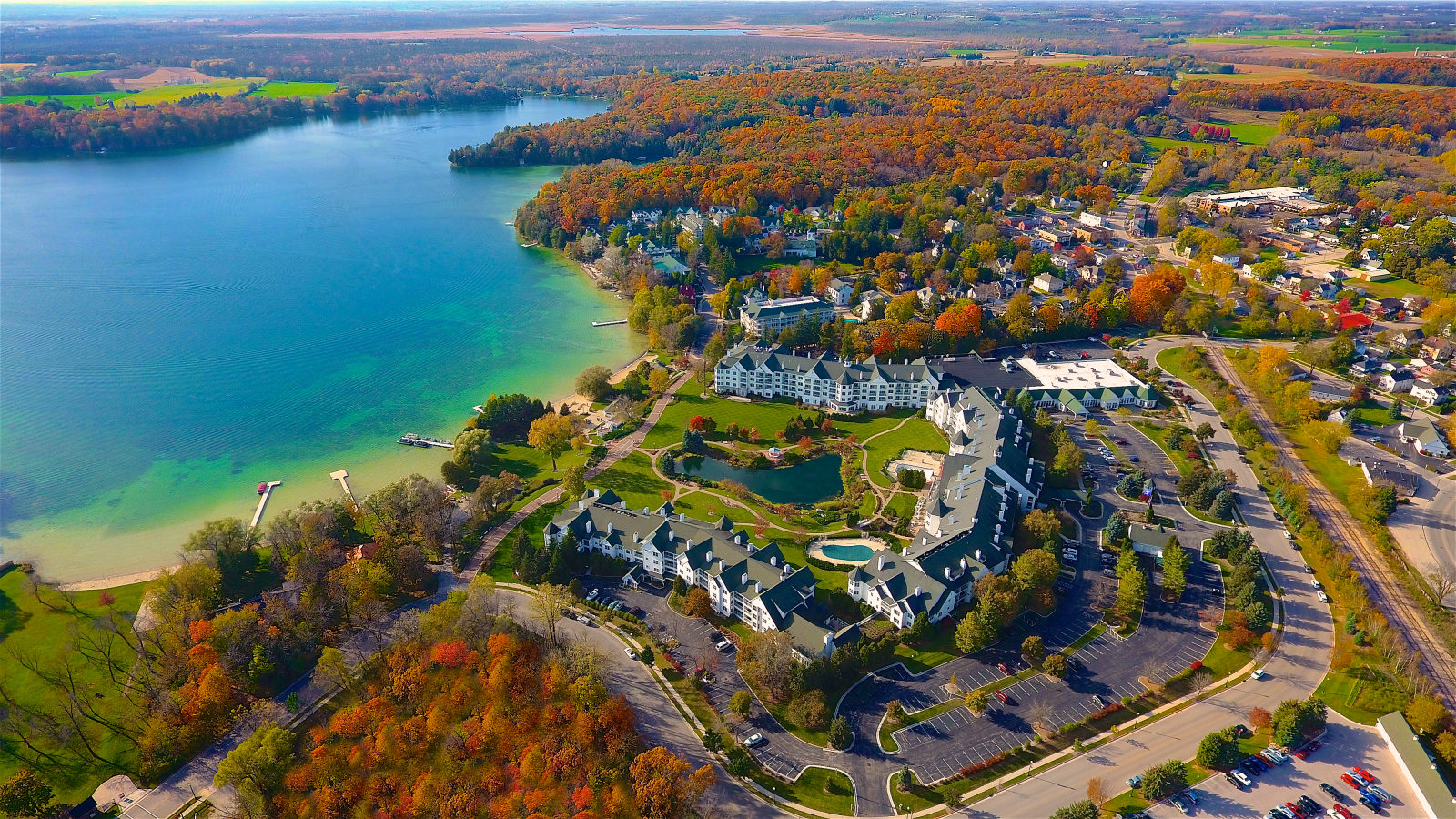
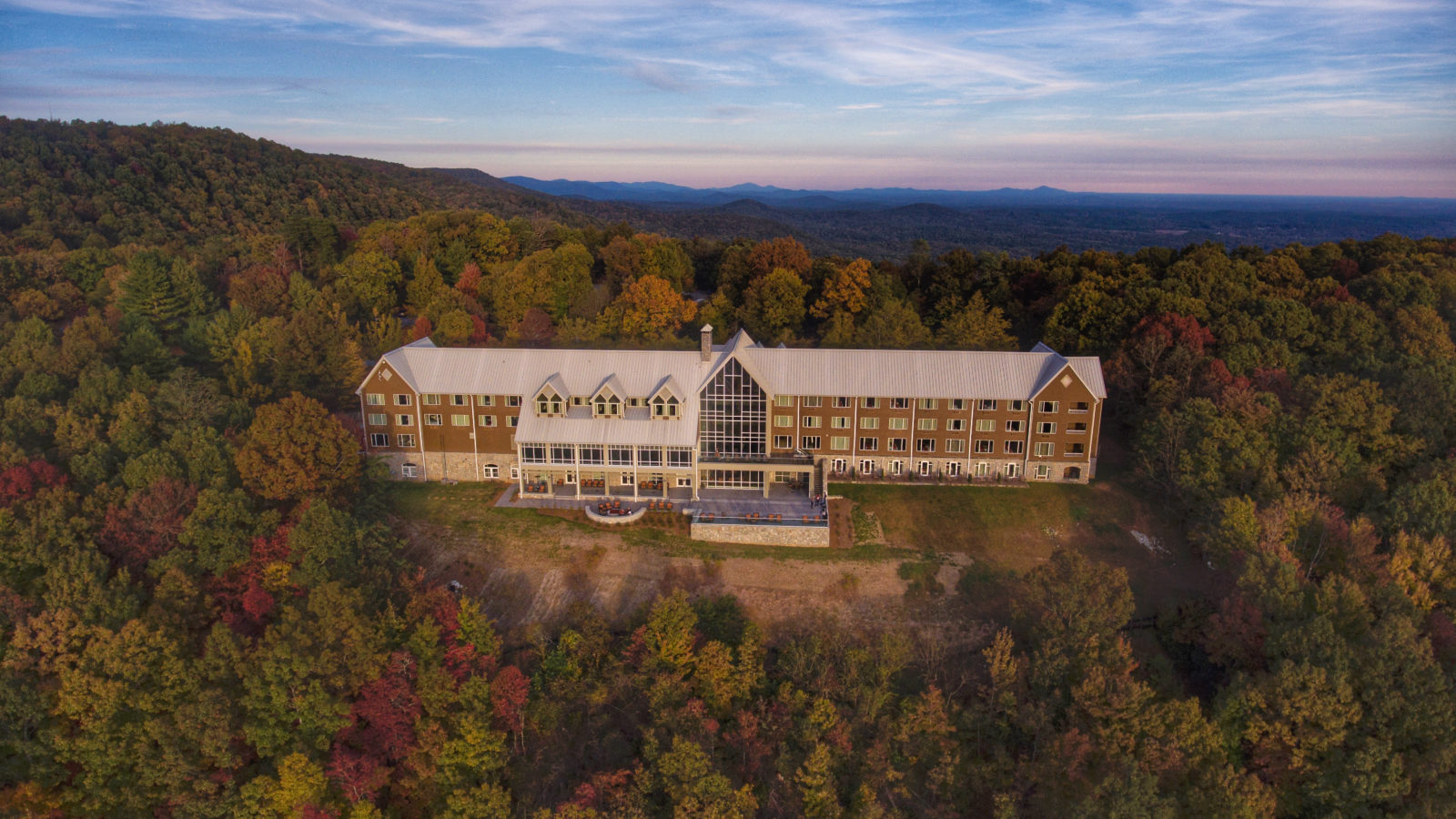
A waterfront resort built around a pool is a hotel that happens to be near water. A waterfront resort built for adventure is something different — a property where the lake, the river, or the coast is the organizing principle of the entire experience, and where the outdoor activities that come with that water are as central to the stay as the room itself.
The distinction matters more than it might seem. The first kind of property is common. The second is worth seeking out.
What Adventure-Oriented Waterfront Looks Like
The resorts worth planning a trip around share a few characteristics. They have direct water access — not a view of water from a distance, but a dock, a beach, or a put-in point that puts guests on the water within minutes of leaving their room. They have equipment available: kayaks, canoes, paddleboards, fishing gear, or boats, either included in the stay or available for rent on-site. And they have staff who know the water — guides, outfitters, or at minimum a front desk that can connect guests with the right local resources.
The best of these properties also have a relationship with the surrounding landscape that extends beyond the water itself. A lake resort with good hiking trails in the surrounding hills, or a coastal property with access to both the beach and the inland terrain, offers a more complete outdoor experience than one that is focused entirely on a single activity.
Great Lakes Waterfront
The Great Lakes shoreline — particularly the northern reaches of Lakes Michigan, Superior, and Huron — has produced some of the finest waterfront resort properties in the country. The scale of the lakes themselves creates conditions that feel genuinely oceanic: open horizons, significant wave action, and a sense of exposure that is unusual for inland water.
Mackinac Island sits at the intersection of Lakes Michigan and Huron, and the resort properties here — from the Grand Hotel on the bluff to the waterfront hotels along the harbor — offer a combination of water access and island character that is genuinely distinctive. The island's car-free environment means that the water is always close, and the ferry crossings that bring guests to and from the mainland are themselves a part of the experience.
The Upper Peninsula of Michigan offers a different kind of Great Lakes waterfront — wilder, less developed, and more focused on the outdoor experience itself. The shoreline of Lake Superior in particular has a character that is unlike anything else in the Midwest: cold, clear water, dramatic rocky coastlines, and a sense of genuine remoteness that is increasingly rare.
River Resorts and Lodge Properties
River-based resort properties offer a different kind of waterfront experience — one organized around current, fishing, and the particular pleasure of moving water. The best river lodges are built at specific points on specific rivers for specific reasons: a productive stretch of trout water, a section of whitewater, or a confluence that creates exceptional fishing conditions.
The Colorado River system has produced some of the finest river lodge properties in the American West, with properties ranging from full-service fly fishing lodges on the upper tributaries to adventure-oriented operations near the canyon country of the lower river. The Gunnison River in western Colorado, the Arkansas River near Salida, and the various tributaries of the upper Colorado all have lodge properties built around the fishing and paddling opportunities of those specific waters.
The Appalachian river systems — the Nantahala, the Chattooga, the New River — have a different character, more focused on whitewater and paddling than on fly fishing, and the lodge properties that have grown up around them reflect that orientation. The Nantahala Outdoor Center in western North Carolina is the most prominent example: a full-service outdoor resort built entirely around river access, with accommodations ranging from hotel rooms to cabins to camping, and a full range of guided paddling experiences.
Coastal Properties With Outdoor Depth
The distinction between a beach resort and an adventure-oriented coastal property is real, and it is worth making. A beach resort is organized around sun, sand, and relaxation. An adventure-oriented coastal property is organized around the full range of outdoor experiences that a coastal landscape offers — kayaking, fishing, paddleboarding, hiking the coastal trails, exploring the tidal zones, and engaging with the marine environment in ways that go beyond lying on the beach.
The Maine coast offers some of the finest examples of this kind of property in the country. The combination of rocky shoreline, island-studded bays, and the outdoor culture of Acadia National Park creates conditions for a genuinely active coastal stay. The lodge and inn properties that have grown up around Bar Harbor and the surrounding area offer access to both the park's trail system and the water-based activities of the surrounding coast.
The Gulf Coast, particularly around Ocean Springs, Mississippi, and the barrier islands of the Mississippi Sound, offers a different kind of coastal outdoor experience — one centered on fishing, paddling, and the particular character of the Gulf Coast ecosystem. The properties here tend to be smaller and less polished than their New England counterparts, but the outdoor access is genuine and the fishing is exceptional.
Booking Strategy
Waterfront resort properties at their best are booked months in advance for peak season. The combination of limited inventory — there are only so many properties with genuine direct water access — and high demand means that the best options disappear early.
Book the activity before you book the room. Identify the specific outdoor experience you want — a guided fishing trip, a kayak tour, a particular stretch of paddling water — and confirm availability before committing to a property. The resort that can connect you with the right guide or outfitter is worth more than the one with the better room.
Explore more lodging guides and destination resources at Outdoor Taste & Tour.