.png)
A cabin near good water or good trails changes the rhythm of a weekend entirely. Here's how to find the right one — and what to look for when the outdoors is the whole point.
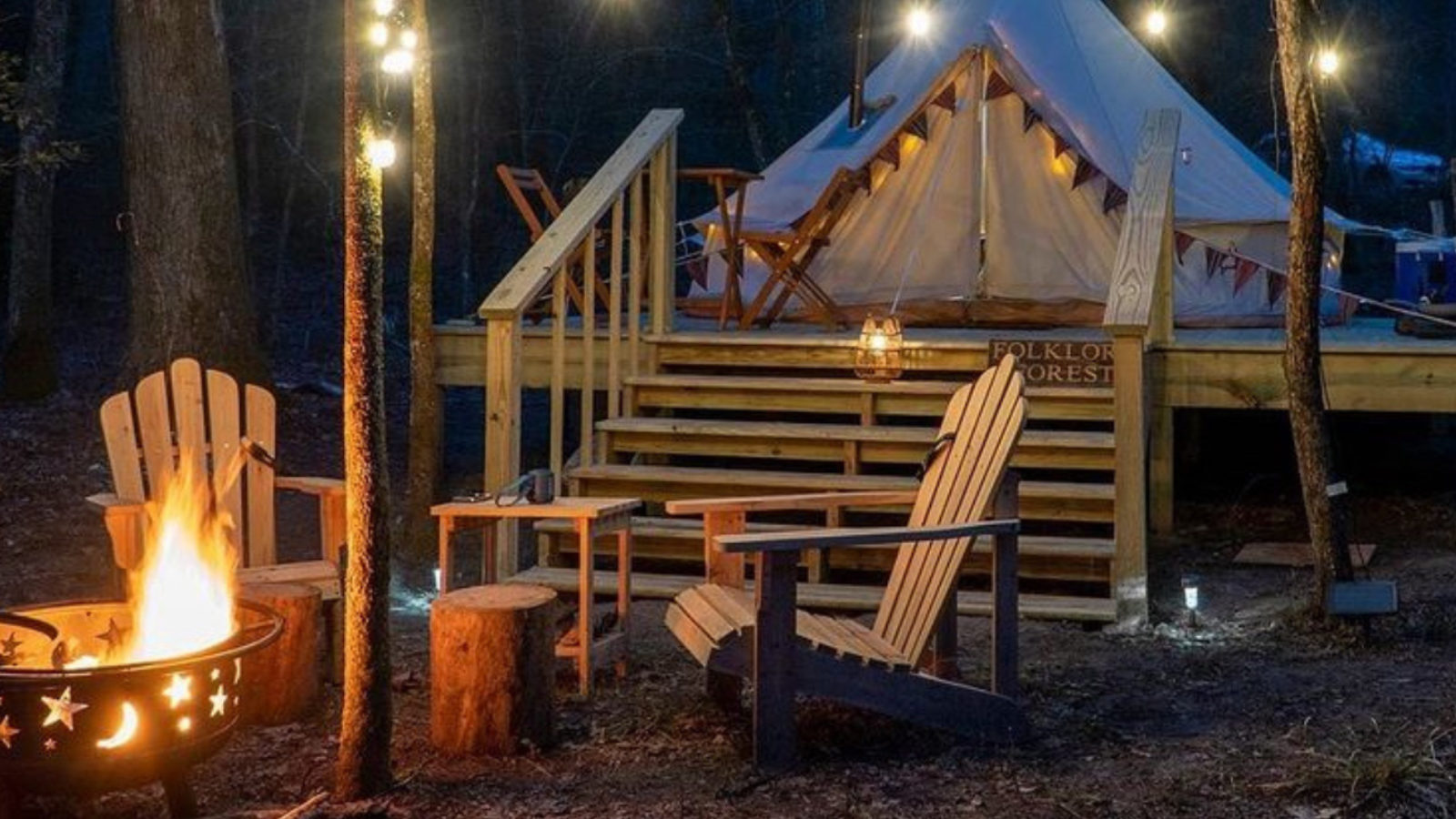
The appeal of a cabin is not complicated. You want to be outside, and you want a place to come back to at the end of the day — somewhere with a porch, a fire, and enough quiet that you can actually hear the woods. Everything else is secondary.
But finding the right cabin for an outdoor weekend takes more thought than it might seem. The difference between a cabin that enhances a trip and one that complicates it often comes down to a few specific details — location relative to the terrain you want, the quality of the property itself, and whether the surrounding area actually delivers on what the listing promises.
Location Is Everything
The single most important factor in a cabin getaway is proximity to the outdoor experience you're after. A cabin that requires a 45-minute drive to reach the trailhead or the river access point is a fundamentally different trip than one where you can walk out the door and be in the woods in five minutes.
Before you book, identify the specific outdoor experience you want — a particular trail system, a stretch of river, a lake — and then search for cabins within walking or very short driving distance of that access point. The cabin itself matters less than its relationship to the landscape.
What the Listing Doesn't Tell You
Cabin rental listings have improved considerably in recent years, but they still tend to omit the details that matter most to outdoor travelers. A few things worth researching before you commit:
Trail access: Is the trailhead actually walkable from the property, or does "near hiking" mean a 20-minute drive? Look for properties that specify trail names and distances, or contact the host directly.
Water access: "Lakefront" and "lake view" are not the same thing. "River access" can mean a private dock or a steep scramble down a bank. Ask specifically about the nature of the water access before you book.
Seasonal conditions: A cabin that is spectacular in October may be inaccessible in mud season. A property that advertises summer swimming may have a lake that is too shallow or too weedy by August. Research the specific conditions for the time of year you're visiting.
Noise and neighbors: Remote-feeling cabins on popular rental platforms can be surprisingly close to other properties. Look at satellite imagery of the property before you book, and read recent reviews for any mention of noise or crowding.
The Appalachian Cabin Belt
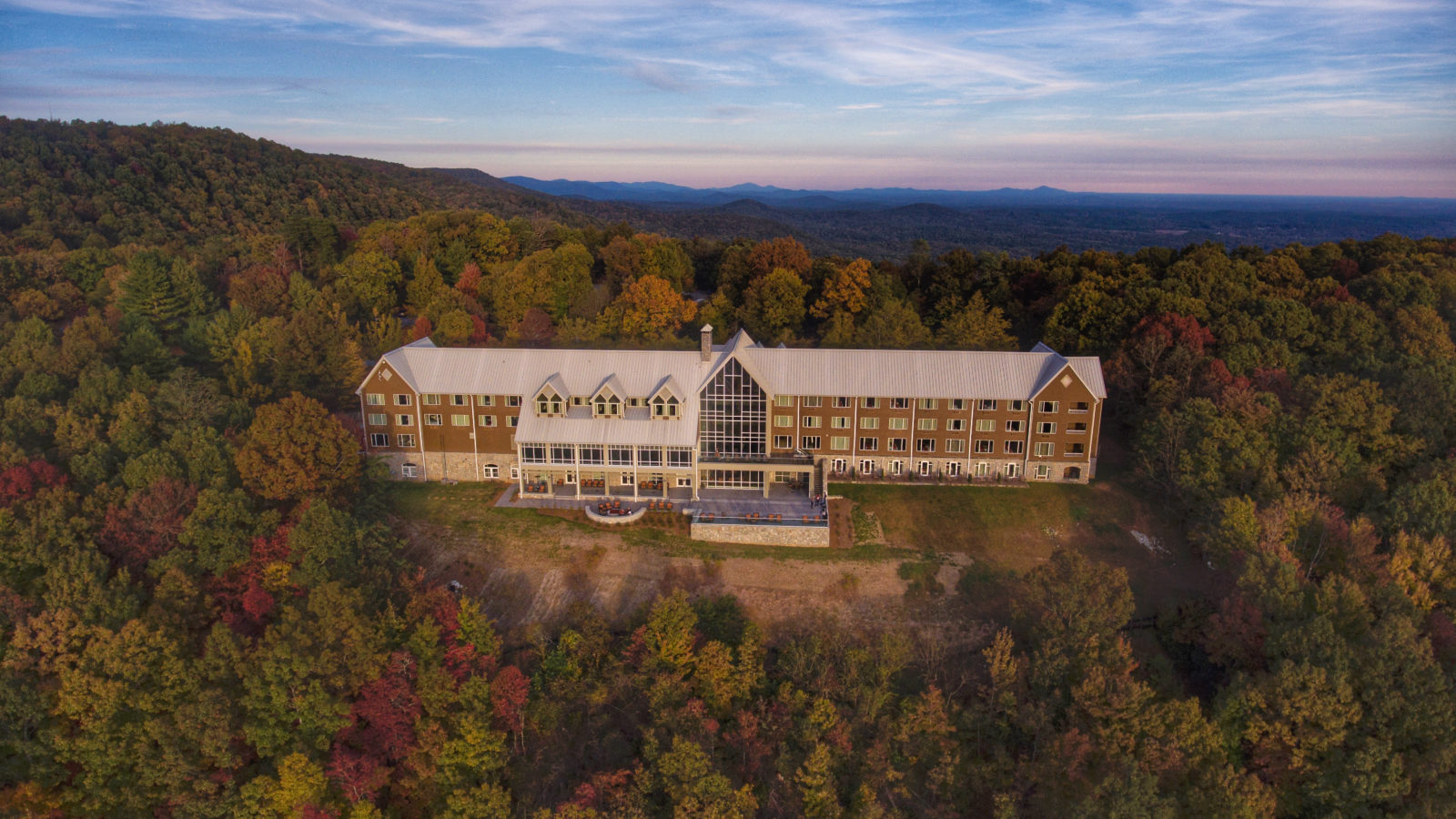
The southern and central Appalachians — from western North Carolina through Virginia and into West Virginia — have one of the densest concentrations of cabin rental properties in the country, and for good reason. The terrain is exceptional, the trail networks are extensive, and the small towns that anchor the region offer genuine character.
Western North Carolina in particular has developed a strong cabin rental culture around its outdoor assets. The Nantahala Gorge, the Pisgah National Forest, and the Blue Ridge Parkway corridor all have cabin properties within close reach of serious outdoor terrain. The fall season here — typically mid-October through early November — is among the finest in the East, and the cabins fill up accordingly.
The New River Gorge area in West Virginia offers a different kind of Appalachian cabin experience — one centered on whitewater, rock climbing, and the particular wildness of a landscape that has been left largely alone. The National Park designation has brought more attention to the area, but the terrain remains genuinely remote in places, and the cabin properties that have grown up around it reflect that character.
Great Lakes Cabin Country
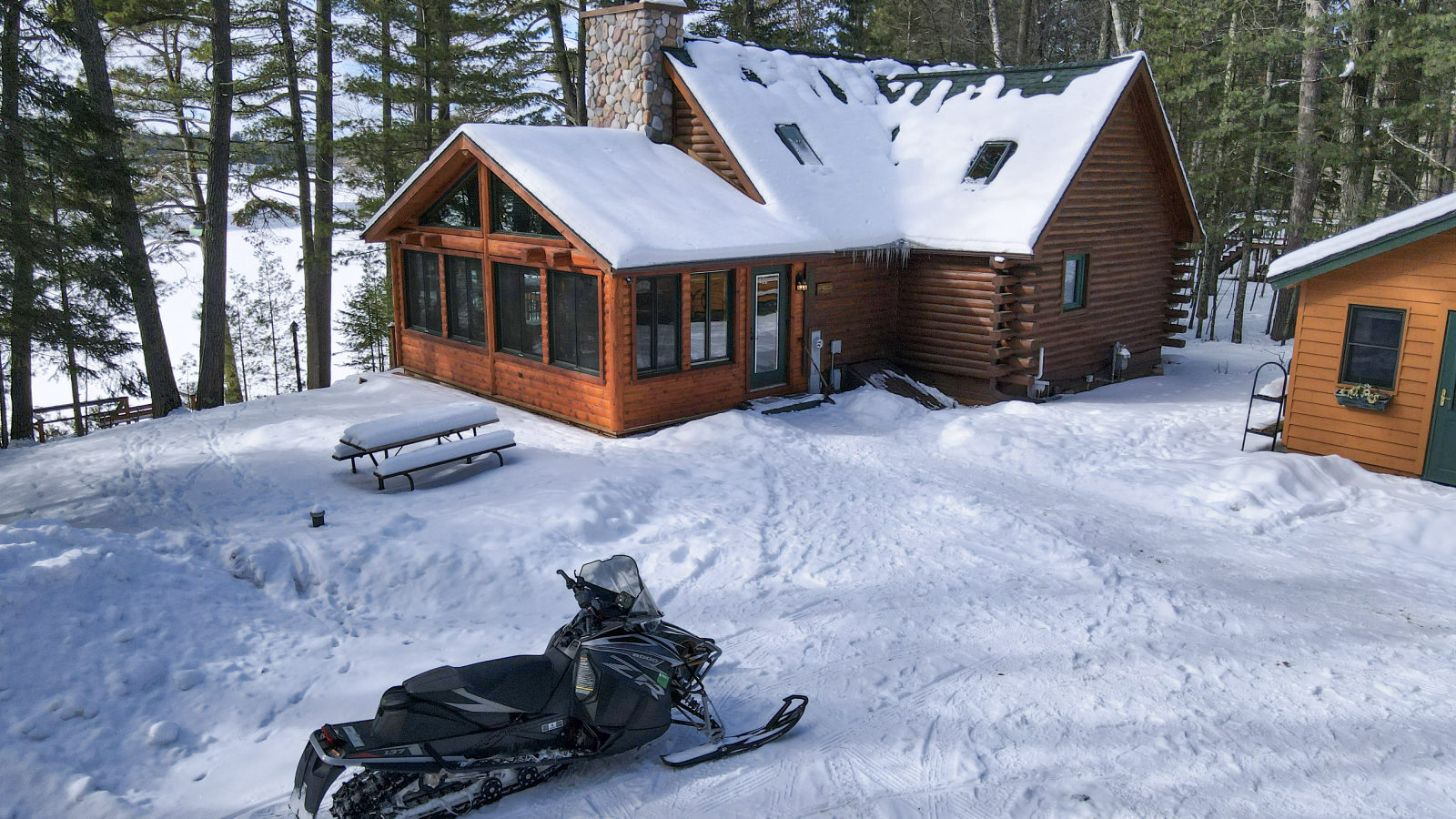
The lake country of northern Wisconsin, Minnesota, and Michigan's Upper Peninsula has a cabin culture that is older and more deeply rooted than almost anywhere else in the country. These are not vacation rentals in the modern sense — many of the properties here have been in families for generations, and the culture of the lake cabin is woven into the regional identity.
For visitors, this means a different kind of experience. The best cabin properties in the Northwoods are not polished or Instagram-optimized. They are functional, comfortable, and oriented entirely toward the water — fishing, swimming, canoeing, and the particular pleasure of a morning on a quiet lake before the rest of the world wakes up.
The Boundary Waters Canoe Area Wilderness in northern Minnesota represents the far end of this spectrum — a landscape where the cabin is a base camp for multi-day paddling trips into one of the most remote wilderness areas in the lower 48. The outfitters and lodge properties that serve the BWCAW have been doing this for decades, and the experience they offer is specific and irreplaceable.
Planning the Weekend
The best outdoor cabin weekends are planned around a single primary activity and a backup. Identify the one thing you most want to do — the specific trail, the river section, the lake — and build the rest of the weekend around it. Have a secondary option ready for weather or conditions that don't cooperate.
Arrive with everything you need. Cabin properties in genuinely remote locations are not close to grocery stores or gear shops, and the time you spend driving for supplies is time you're not spending outside.
And leave the cabin cleaner than you found it. The hosts who maintain the best properties are the ones who keep them available for the next traveler.
Find more lodging guides and outdoor destination resources at Outdoor Taste & Tour.