.png)
The best glamping properties don't soften the outdoor experience — they sharpen it. Here's what separates a genuine outdoor glamping stay from a tent with a thread count.
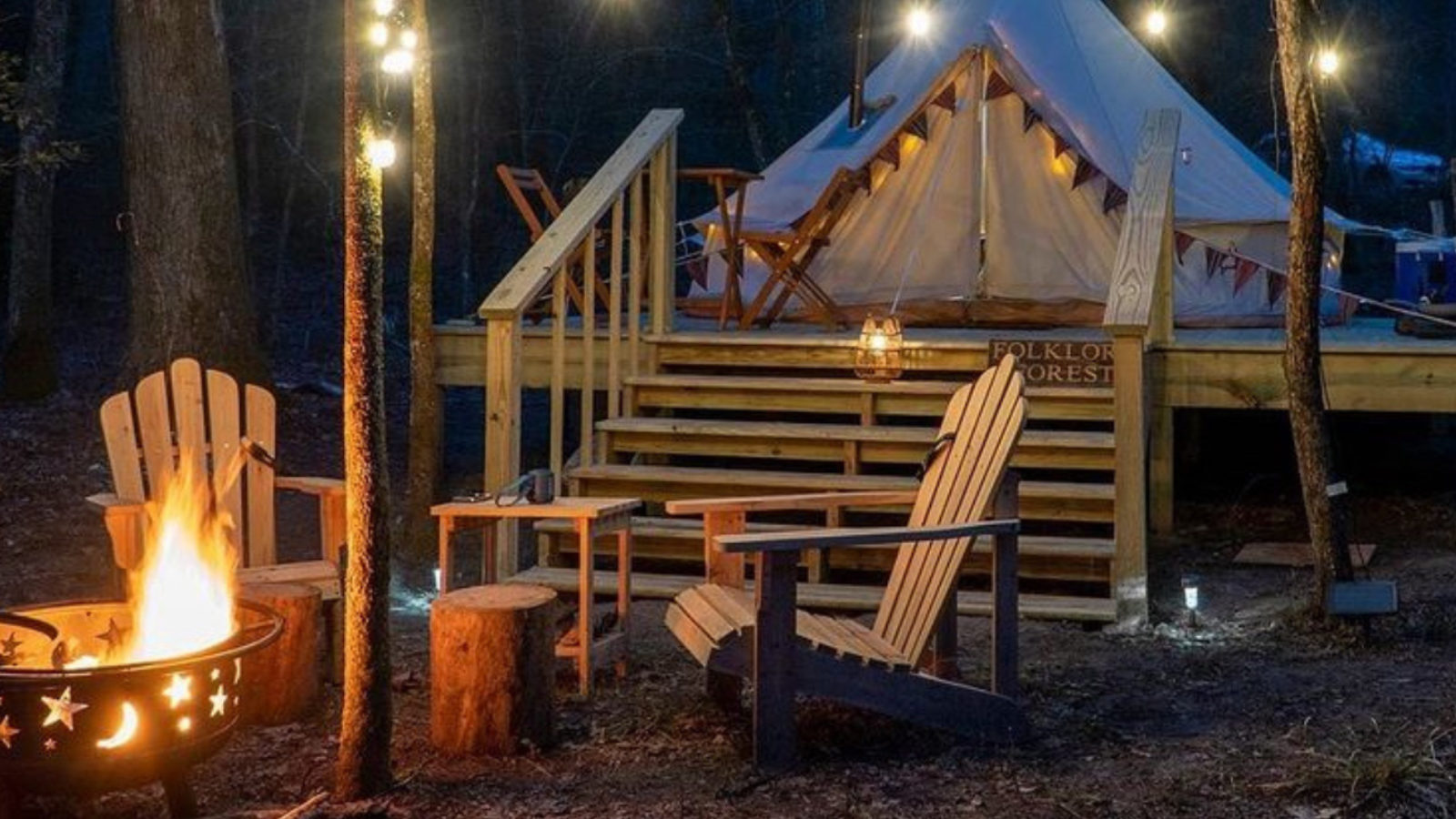
Glamping has a reputation problem, and it is at least partially deserved. The word has been applied to everything from genuinely immersive outdoor experiences to hotel rooms with canvas walls — properties where the "camping" is entirely decorative and the outdoors is something you look at through a window rather than actually inhabit.
But the best glamping properties are something different. They use elevated accommodations not to insulate guests from the outdoor experience, but to extend it — to make it possible to spend more time outside, in more comfort, in landscapes that a traditional hotel could never reach.
The Distinction That Matters
The question worth asking about any glamping property is simple: does the accommodation put you closer to the outdoors, or does it just put you near it?
A safari tent on a working ranch in Montana, where you wake up to the sound of the river and spend the day on horseback, is a fundamentally different experience from a "glamping resort" with a pool, a spa, and a restaurant that happens to have canvas walls. Both might be enjoyable. Only one is actually about the outdoors.
The properties worth seeking out are the ones where the accommodation is a means to an end — where the tent, the yurt, or the tiny cabin exists to put you in a specific landscape that you couldn't otherwise access, and where the outdoor experience is the organizing principle of the stay.
Safari Tents and Permanent Structures
The safari tent — a large, furnished canvas tent on a raised platform — has become the most common glamping format in the United States, and the quality varies enormously. The best examples are genuinely comfortable: real beds, proper linens, good lighting, and enough space to move around. The worst are cramped, poorly ventilated, and not significantly more comfortable than a well-equipped backpacking tent.
What distinguishes the good ones is usually the setting and the programming. A safari tent in a meadow with a fire ring, a clear view of the stars, and a host who can point you toward the best trail in the area is a genuinely excellent outdoor experience. The same tent in a crowded "glamping village" with 40 identical units and a communal bathroom is something else entirely.
Permanent structures — tiny cabins, converted barns, renovated shepherds' huts — offer more weather protection and often more character than canvas tents, and they tend to hold up better across seasons. The best of these properties have been built with a specific landscape in mind, and the architecture reflects where they are.
Yurts: The Underrated Option
The yurt — a circular, lattice-framed structure with a fabric or canvas covering — has been used as a permanent dwelling across Central Asia for thousands of years, and the American glamping version has borrowed the form while adapting it for a different climate and a different kind of traveler.
A well-built glamping yurt is surprisingly comfortable: the circular form creates a natural sense of enclosure and warmth, the central skylight (standard on most designs) provides excellent natural light and a direct view of the night sky, and the structure handles wind and rain better than most canvas tents.
Many state and national park systems have added yurt accommodations in recent years, and these tend to offer some of the best value in outdoor glamping — genuine wilderness access at a fraction of the cost of private glamping properties, with the added benefit of being inside a protected landscape rather than adjacent to one.
What to Look For
A few specific things worth evaluating before booking a glamping property:
Outdoor programming: Does the property offer guided activities, or is it simply a place to sleep? The best glamping operations have relationships with local outfitters, guides, and trail systems that make it easy to build an outdoor itinerary around the stay.
Genuine remoteness: Is the property actually in a natural setting, or is it in a field near a highway? Look at satellite imagery and read recent reviews for any mention of noise, light pollution, or proximity to development.
Weather contingency: Canvas structures are not weatherproof in the way a solid building is. Ask about the property's approach to severe weather, and check the seasonal conditions for the time of year you're visiting.
Bathroom and kitchen facilities: The range here is enormous — from private en-suite bathrooms inside the tent to shared facilities a short walk away. Know what you're getting before you arrive.
The Lavender Field and the Working Ranch
Two glamping formats that consistently deliver on the outdoor promise are the working farm or ranch stay and the single-property wilderness retreat.
The working farm or ranch stay puts guests inside an agricultural landscape that most travelers never access — waking up to the sounds and rhythms of a working operation, with the option to participate or simply observe. The Virginia lavender field glamping experience that has attracted attention in recent years is a good example of this format: the accommodation is comfortable, but the experience is defined by the landscape and the season.
The single-property wilderness retreat — a small number of tents or structures on a private piece of land, with no neighbors and no shared facilities — offers a different kind of experience. These properties are harder to find and often more expensive, but the combination of genuine privacy and genuine outdoor access is difficult to replicate.
Explore more lodging guides and destination resources at Outdoor Taste & Tour.