.png)
Some lodges are a place to sleep. These are a reason to go. From the Colorado Rockies to the Appalachian highlands, these mountain properties put the landscape at the center of the experience.
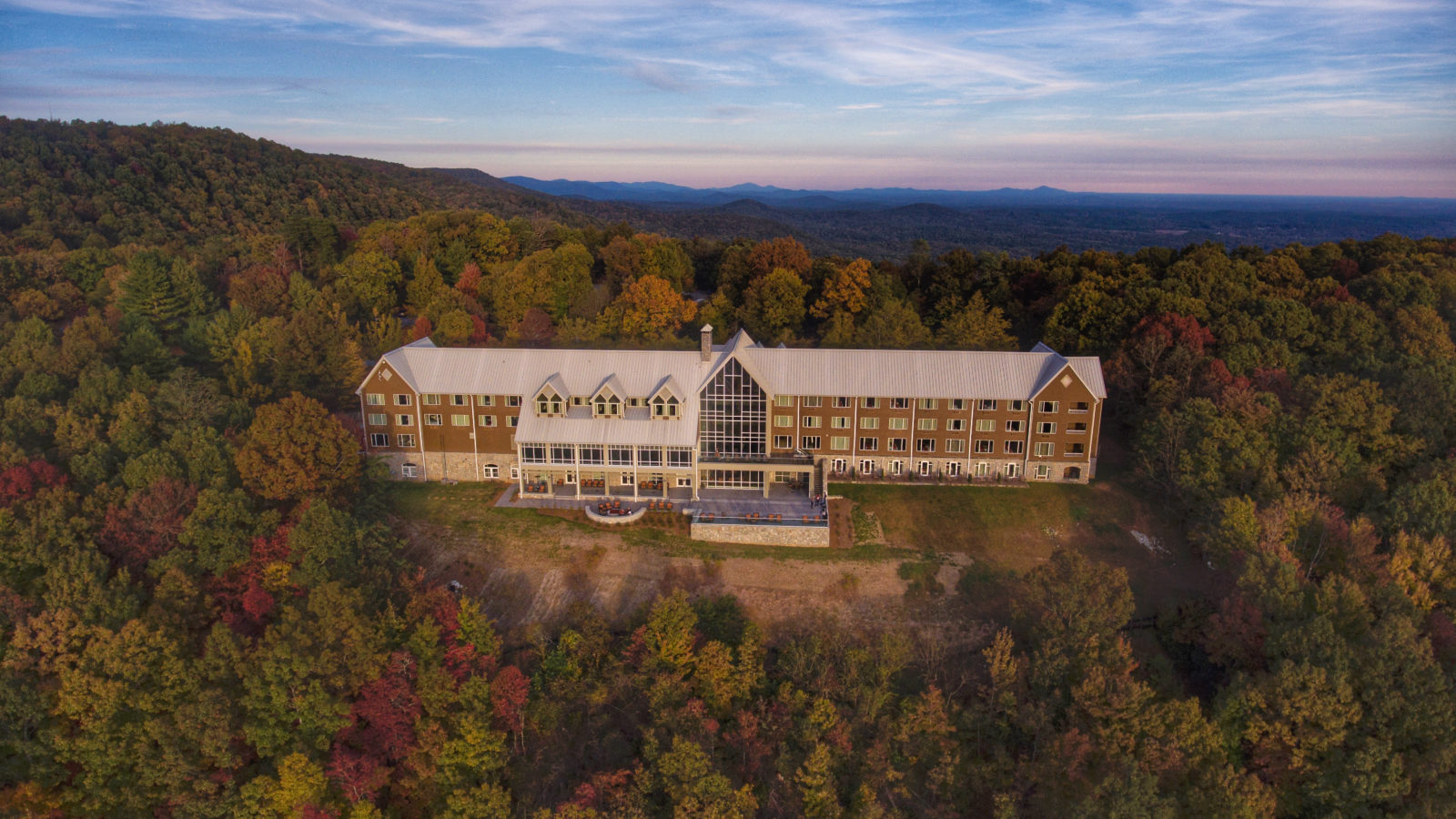
There is a particular kind of mountain lodge that changes the way you think about a trip. It is not simply a place to sleep between hikes. It is the reason you went in the first place — a property so connected to its landscape, its trails, its rivers, and its surrounding towns that the stay itself becomes the experience.
These are those lodges.
What Makes a Lodge Worth Planning Around
The distinction matters. A hotel near a mountain is not the same as a lodge built for the mountain. The properties worth seeking out share a few qualities: they sit inside the landscape rather than adjacent to it, they make it easy to get outside from the moment you arrive, and they have a character that reflects where they are — not a generic hospitality template dropped into a scenic zip code.
The best mountain lodges also tend to have staff who know the terrain. A front desk that can tell you which trail is peaking right now, which stretch of river is fishing well this week, or which back road leads to the overlook most visitors never find — that kind of local knowledge is worth more than any amenity list.
The Colorado High Country
Colorado's mountain towns have produced some of the finest lodge properties in the American West, and the range is genuinely wide — from grand resort hotels at the base of world-class ski terrain to small fishing lodges tucked into river valleys that most travelers never reach.
The San Juan Mountains in southwestern Colorado offer some of the most dramatic lodge settings in the country. Properties in and around Ouray, Telluride, and Ridgway sit at elevations that put guests directly inside the alpine landscape — not looking at it from a distance, but living inside it. Summer brings wildflower meadows, jeep roads, and some of the finest hiking in the Rockies. Winter brings deep snow, ski terrain, and the particular quiet of a mountain town after a storm.
The Elk Mountains around Aspen and Crested Butte offer a different character — more polished in some respects, but no less connected to the outdoors. The lodges here tend to attract guests who want both the mountain experience and the amenities of a well-run property, and the best of them deliver both without compromise.
For fly fishing, the lodges along the Gunnison River and its tributaries represent a different kind of mountain stay — one organized entirely around the water. These properties are not resorts. They are working fishing lodges, and the experience they offer is specific: early mornings on the river, long afternoons in the current, and evenings that feel genuinely earned.
Vermont's Mountain Inns
Vermont's approach to mountain lodging is different from Colorado's in ways that reflect the landscape itself. The Green Mountains are older, softer, and more intimate than the Rockies — and the lodges here tend to reflect that character.
The Stowe area has produced some of the finest mountain lodging in New England. The Trapp Family Lodge, set on 2,500 acres above the village, offers a combination of mountain access and genuine character that is hard to replicate. The cross-country ski network alone — more than 60 kilometers of groomed trails — makes it a destination in its own right. In summer, the same trails become hiking and mountain biking terrain, and the views across the valley are among the best in Vermont.
Woodstock's inns offer a different experience — more village-centered, more focused on the particular pleasures of a Vermont small town, but no less connected to the outdoors. The hiking trails of the Green Mountain National Forest are within easy reach, and the Ottauquechee River runs through the valley below.
The Appalachian Highlands
The southern Appalachians — from western North Carolina through Georgia and into Tennessee — have a lodge culture that is older and quieter than either Colorado or Vermont, and the properties here tend to reflect that history.
The lodges of the Nantahala Gorge area in western North Carolina sit at the intersection of whitewater, hiking, and mountain town culture. The Nantahala River draws paddlers from across the country, and the lodges that have grown up around it offer a base for days spent on the water and evenings in the small towns of the surrounding mountains.
The Blue Ridge Parkway corridor — running from Shenandoah in Virginia to the Great Smoky Mountains in North Carolina — passes through some of the finest mountain scenery in the East, and the lodges along its length offer access to terrain that most travelers see only from a car window.
Planning a Mountain Lodge Trip
The best mountain lodge trips are built around a specific season and a specific activity. A lodge that is exceptional for fall foliage hiking may be a different experience in winter, and a fishing lodge that shines in June may be closed by October. Research the property's seasonal strengths before you book, and plan your activities around what the landscape is actually doing when you arrive.
Book early for peak seasons — the best mountain lodges fill up months in advance for summer weekends and ski season, and the properties worth seeking out rarely have last-minute availability.
And when you arrive, ask the staff what they would do if they had a free day. The answer is usually the best thing you'll do on the trip.
Explore more lodging guides and destination resources at Outdoor Taste & Tour.