.png)
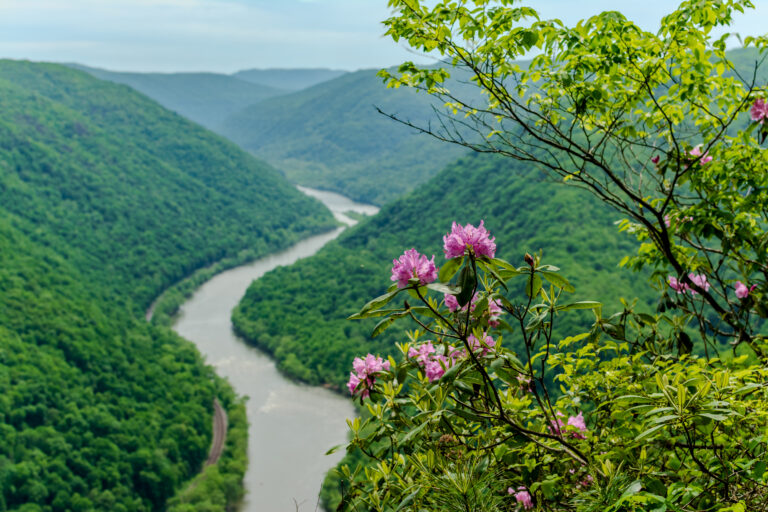
Vermont's Green Mountains offer some of the finest hiking in New England — from the Long Trail (America's oldest long-distance hiking trail) to the summit of Mount Mansfield to the beautiful trails of the Northeast Kingdom.
Part of the Destination Guide
Vermont — Destination Guide
Vermont's Green Mountains offer some of the finest hiking in New England. The Long Trail — America's oldest long-distance hiking trail, completed in 1930 — runs the full length of Vermont from the Massachusetts border to the Canadian border, passing over the state's highest peaks and through some of its most beautiful wilderness.
But Vermont's hiking is not just about the Long Trail. The state's 400,000 acres of state forests and parks, its national forest lands, and its network of local trails offer excellent hiking for every skill level, from easy walks through covered bridge country to challenging summit climbs above treeline.
The Long Trail
The Long Trail is America's oldest long-distance hiking trail — a 272-mile footpath that runs the full length of Vermont from the Massachusetts border to the Canadian border. The trail was completed in 1930 by the Green Mountain Club, which continues to maintain it today.
The Trail: The Long Trail follows the main ridge of the Green Mountains, passing over Vermont's highest peaks and through some of its most beautiful wilderness. The trail is challenging — with significant elevation gain and loss — but rewarding, with spectacular views from the summits and a genuine sense of wilderness.
Section Hiking: The Long Trail is divided into sections that can be hiked as day hikes or weekend backpacking trips. The most popular sections are near the major peaks — Mount Mansfield, Camel's Hump, and Killington Peak.
Shelters: The Green Mountain Club maintains a network of shelters along the Long Trail, providing basic accommodations for overnight hikers. Reservations are required for some shelters during peak season.
The Appalachian Trail: The Long Trail shares its route with the Appalachian Trail for about 100 miles in southern Vermont, from the Massachusetts border to Sherburne Pass near Killington.
Mount Mansfield: Vermont's Highest Peak
Mount Mansfield (4,395 feet) is Vermont's highest peak and one of the finest hiking destinations in New England. The mountain's distinctive profile — resembling a human face in profile — is visible from much of northern Vermont.
The Summit
The summit of Mount Mansfield is above treeline, with panoramic views of Vermont, New Hampshire, New York, and Canada. The summit ridge is one of the finest alpine environments in New England, with rare arctic-alpine plants that are found nowhere else in Vermont.
Best Trails to the Summit
The Long Trail from Stowe (4.4 miles one way, strenuous)
The most popular route to the summit, climbing from the Stowe Mountain Resort base area through beautiful forest to the summit ridge. The trail is well-maintained but challenging, with significant elevation gain.
The Sunset Ridge Trail (3.7 miles one way, strenuous)
A beautiful trail from Underhill State Park, climbing through forest to the summit ridge. The trail offers excellent views throughout and is less crowded than the Stowe routes.
The Gondola — Stowe Mountain Resort operates a gondola to the summit during summer and fall, providing easy access to the summit ridge for visitors who don't want to hike.
Camel's Hump: Vermont's Most Iconic Peak
Camel's Hump (4,083 feet) is Vermont's most iconic peak — its distinctive double-humped profile is the symbol of Vermont and appears on the state quarter. The mountain is one of only two peaks in Vermont with an alpine zone (the other is Mount Mansfield).
Best Trails
The Monroe Trail (3.4 miles one way, strenuous)
The most popular route to the summit, climbing from the Monroe Trail trailhead in Duxbury. The trail is well-maintained and offers excellent views from the summit.
The Forest City Trail (3.5 miles one way, strenuous)
An alternative route to the summit, climbing from the Forest City trailhead in Huntington. The trail is less crowded than the Monroe Trail.
Smugglers' Notch: Vermont's Most Dramatic Pass
Smugglers' Notch — a dramatic mountain pass between Stowe and Jeffersonville — is one of the most spectacular natural features in Vermont. The notch was used by smugglers during the War of 1812 to move goods between Vermont and Canada.
The Notch: The road through Smugglers' Notch (Route 108) is closed in winter due to its steep grades and narrow width. In summer, the road passes through a dramatic landscape of 1,000-foot cliffs and enormous boulders.
Hiking in the Notch: Several excellent hiking trails are accessible from the notch, including trails to the summit of Mount Mansfield and to the beautiful Sterling Pond.
Sterling Pond Trail (1.5 miles one way, moderate)
A beautiful trail to Sterling Pond — a beautiful alpine pond at 3,000 feet elevation, with excellent views of the surrounding mountains.
Best Easy Hikes
Quechee Gorge Trail (1.5 miles, easy)
A beautiful trail along the rim of Quechee Gorge — Vermont's "Little Grand Canyon" — with excellent views of the 165-foot gorge and the Ottauquechee River below.
Moss Glen Falls (0.4 miles, easy)
A short trail to a beautiful 125-foot waterfall in Granville Gulf State Reservation. One of the finest waterfalls in Vermont.
Bald Mountain (Townshend State Park, 3.4 miles round trip, moderate)
A beautiful trail to the summit of Bald Mountain, with excellent views of the Connecticut River Valley and the surrounding hills.
Planning Your Vermont Hiking Trip
Best Time to Hike
Summer (June–August): The best weather for high-altitude hiking. Wildflowers are at their peak in June and July. The Long Trail shelters are busy on summer weekends.
Fall (September–October): Excellent hiking weather, with cooler temperatures and spectacular foliage. The most popular time to visit Vermont — book accommodations well in advance.
Spring (April–May): "Mud season" in Vermont — the trails can be very muddy and some higher-elevation trails may still have snow. Not recommended for most hikers.
Winter (December–March): Snowshoeing and cross-country skiing on the lower trails; mountaineering skills required for the higher peaks.
Trail Conditions
Check the Green Mountain Club website (greenmountainclub.org) for current trail conditions before hiking. The club also provides information on shelter availability and Long Trail regulations.
For more Vermont adventures, see our Vermont Small Towns Guide, Vermont Fall Foliage Guide, Vermont Farm-to-Table Food Guide, and Vermont Covered Bridges Guide. Also see our Best National Parks for First-Time Visitors.