.png)
Vermont's fall foliage is the most spectacular in New England — a display of color that draws visitors from around the world every October. Here's everything you need to know to plan the perfect Vermont foliage trip.

Part of the Destination Guide
Vermont — Destination Guide
Vermont's fall foliage is the most spectacular in New England — and arguably in the world. The state's combination of diverse tree species (sugar maples, red maples, birches, beeches, and aspens), its rolling hills, its covered bridges, and its clear autumn light creates a display of color that is genuinely breathtaking.
Every year, millions of visitors travel to Vermont to experience the foliage — and every year, the display delivers. Here's everything you need to know to plan the perfect Vermont fall foliage trip.
When Does Vermont Foliage Peak?
Vermont's fall foliage typically peaks in early to mid-October, though the exact timing varies by year, elevation, and location within the state.
The General Pattern:
- Late September: Higher elevations (above 2,500 feet) begin to turn. The Northeast Kingdom (northern Vermont) typically sees the first color.
- First week of October: Peak foliage in northern Vermont and at higher elevations throughout the state.
- Second week of October: Peak foliage in central Vermont, including the Woodstock and Stowe areas.
- Third week of October: Peak foliage in southern Vermont, including the Manchester and Brattleboro areas.
The Foliage Report: The Vermont Department of Tourism publishes a weekly foliage report during the fall season, with updates on current conditions throughout the state. Check foliage.vermont.gov for the latest information.
The Variables: The timing and intensity of the foliage depends on several factors — the summer's rainfall, the timing of the first frost, and the temperatures in September and October. A warm, dry summer followed by cool nights in September typically produces the most spectacular foliage.
Best Scenic Drives
Route 100: The Main Street of Vermont
Route 100 — running north-south through the heart of Vermont — is the most celebrated foliage drive in New England. The road passes through some of Vermont's most beautiful countryside, connecting the state's most charming villages and offering spectacular views of the Green Mountains.
The Drive: Route 100 runs the full length of Vermont, from Readsboro in the south to Newport in the north — about 200 miles. The most scenic section is between Wilmington and Stowe, passing through the Mad River Valley and the Green Mountain National Forest.
Key Stops:
- Wilmington — a charming village at the southern end of the most scenic section
- Weston — home to the Vermont Country Store, a beloved institution
- Ludlow — the gateway to Okemo Mountain Resort
- Rochester — a beautiful village in the heart of the Green Mountains
- Warren — a charming village in the Mad River Valley
- Waitsfield — the Mad River Valley's most vibrant community
- Stowe — the most famous mountain town in Vermont
Route 9: The Molly Stark Trail
Route 9 — connecting Brattleboro to Bennington through the southern Green Mountains — is one of Vermont's most beautiful drives, passing through beautiful hill country with excellent foliage views.
Key Stops:
- Brattleboro — a vibrant arts community at the confluence of the Connecticut and West rivers
- Wilmington — a charming village with excellent restaurants and shops
- Bennington — home to the Bennington Battle Monument and the Bennington Museum
Route 12: The Heart of Vermont
Route 12 — connecting Woodstock to Montpelier through the hills of central Vermont — is one of the state's most scenic drives, passing through beautiful countryside with excellent foliage views.
Key Stops:
- Woodstock — Vermont's most perfect village
- Barnard — a beautiful small town with Silver Lake State Park
- Montpelier — Vermont's charming state capital
The Northeast Kingdom
Vermont's Northeast Kingdom — the three counties of Orleans, Essex, and Caledonia in the northeastern corner of the state — is the most remote and least-visited part of Vermont, with some of the most spectacular foliage in the state.
Key Stops:
- St. Johnsbury — the Northeast Kingdom's largest city, with the excellent Fairbanks Museum
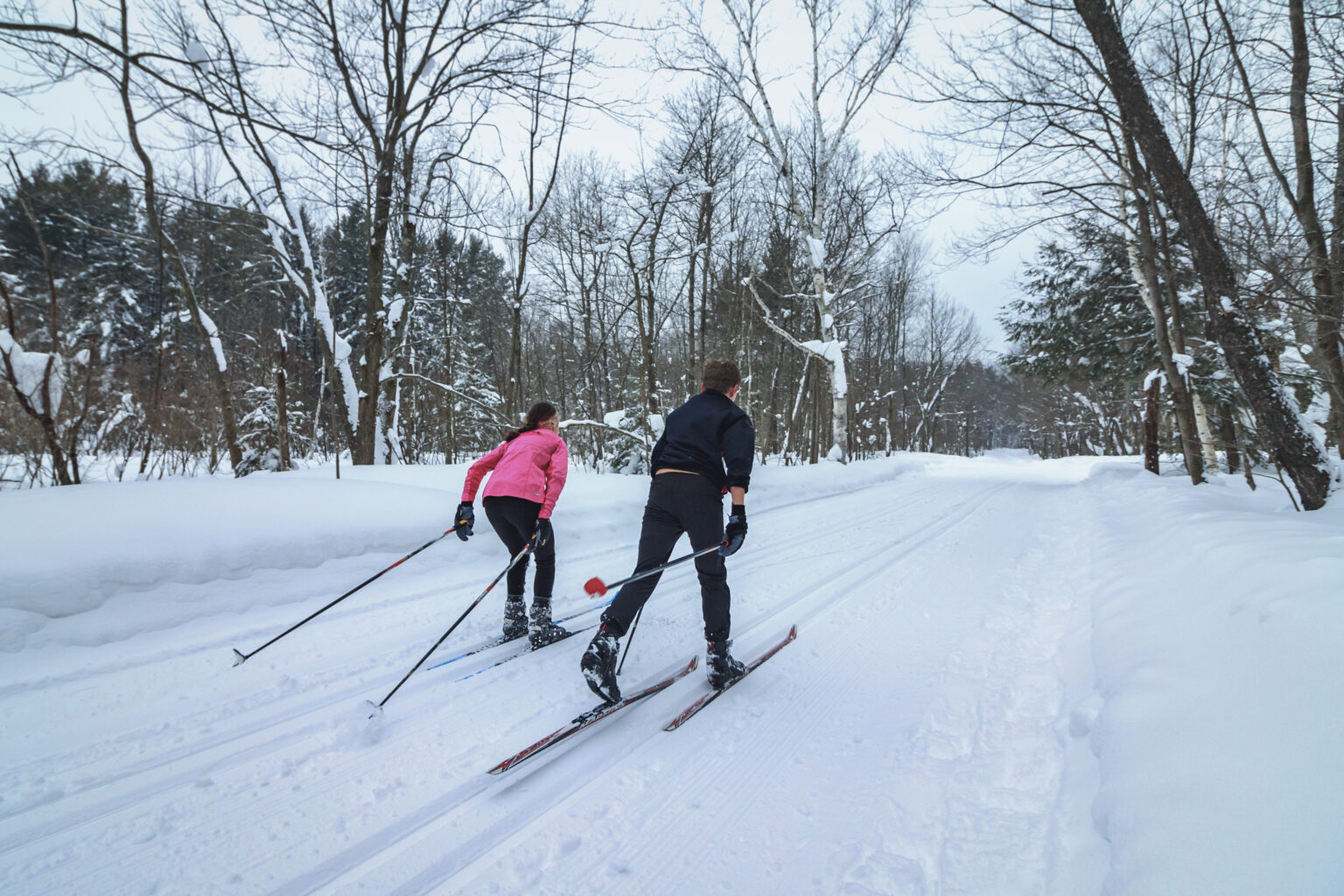
- Craftsbury — a beautiful village with excellent cross-country skiing in winter
- Island Pond — a remote community on a beautiful lake
Best Foliage Viewing Spots
Quechee Gorge
The Quechee Gorge — a dramatic 165-foot gorge carved by the Ottauquechee River — is spectacular during foliage season, with the fall colors reflected in the river below.
Stowe Village
Stowe's village center — with its white-steepled church, covered bridge, and mountain backdrop — is one of the most photographed foliage scenes in Vermont.
Grafton Village
Grafton is one of Vermont's most perfectly preserved villages — a community that was restored by the Windham Foundation in the 1960s and has been maintained with exceptional care. The village's white buildings, covered bridge, and surrounding hills create a foliage scene of extraordinary beauty.
Lake Willoughby
Lake Willoughby — in the Northeast Kingdom — is one of the most dramatic lakes in Vermont, flanked by 1,000-foot cliffs. The foliage reflected in the lake's clear water is spectacular.
Smugglers' Notch
Smugglers' Notch — a dramatic mountain pass between Stowe and Jeffersonville — is one of the most spectacular foliage viewpoints in Vermont, with views of the surrounding mountains and valleys.
Planning Your Foliage Trip
Book Early
Vermont's fall foliage season is the most popular time to visit the state, and accommodations fill up quickly — often months in advance. Book your accommodations as early as possible, ideally in the spring.
Weekdays vs. Weekends
The foliage season is extremely busy on weekends, with traffic jams on the most popular routes and long waits at restaurants. If possible, visit on weekdays for a more relaxed experience.
What to Bring
- Layers: Fall temperatures in Vermont can range from warm (60s°F) to cold (30s°F) in the same day. Bring layers.
- Rain gear: Fall in Vermont can be rainy. A good rain jacket is essential.
- Camera: The foliage is extraordinary — bring a good camera and plenty of storage.
- Binoculars: Useful for viewing foliage on distant hillsides.
Where to Stay
Woodstock: The most beautiful village in Vermont, with excellent inns and bed & breakfasts.
Stowe: The most famous mountain town, with a wide range of accommodations from luxury resorts to budget motels.
Manchester: Upscale Vermont, with excellent inns and the Equinox Resort.
Northeast Kingdom: The most remote and least crowded area, with excellent small inns and bed & breakfasts.
For more Vermont adventures, see our Vermont Small Towns Guide, Vermont Hiking Guide, Vermont Farm-to-Table Food Guide, Vermont Covered Bridges Guide, Vermont Weekend Itinerary, and Where to Stay in Vermont.