.png)
America's national parks are among the greatest treasures in the world — but with 63 parks to choose from, where do you start? Here are the best national parks for first-time visitors, with practical advice for making the most of each.
America's national parks are among the greatest treasures in the world. From the geothermal wonders of Yellowstone to the ancient forests of the Smokies, from the dramatic gorges of West Virginia to the volcanic landscapes of Hawaii, the national park system protects some of the most spectacular landscapes on Earth and makes them accessible to everyone.
But with 63 national parks to choose from — plus hundreds of national monuments, recreation areas, and historic sites — where do you start? The answer depends on where you live, what you're looking for, and how much time you have. Here are the best national parks for first-time visitors, with practical advice for making the most of each.
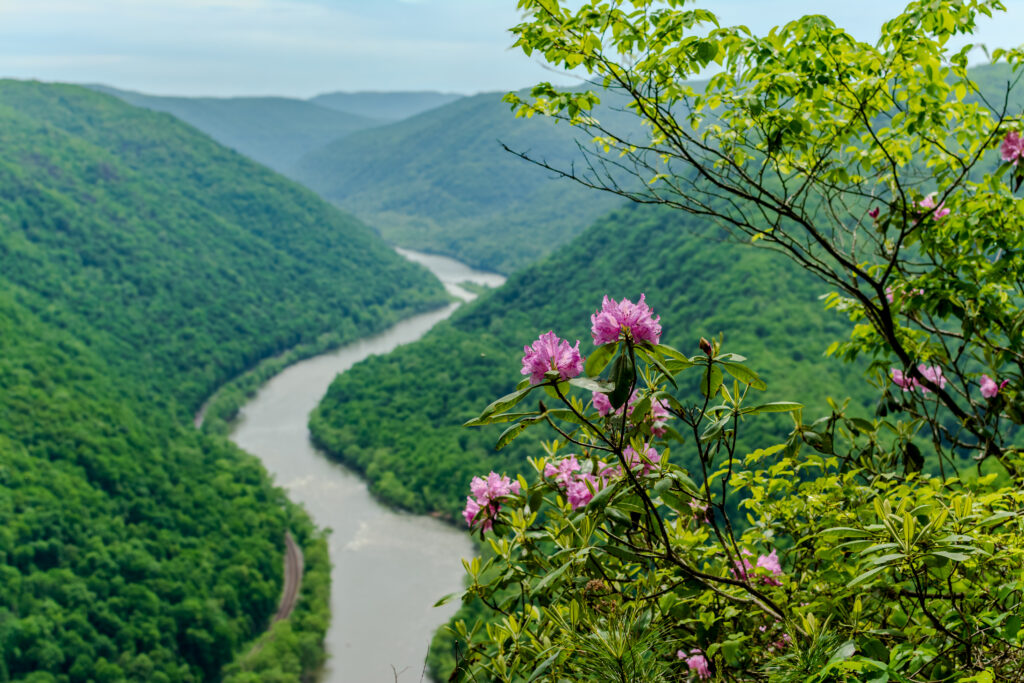
New River Gorge National Park, West Virginia — America's Newest National Park
Why It's Perfect for First-Timers: New River Gorge was designated America's newest national park in 2020, and it remains one of the least crowded parks in the system. Unlike Yellowstone or the Grand Canyon, you won't need timed entry reservations or fight for parking. The park is accessible, affordable, and genuinely spectacular.
What Makes It Special: The New River Gorge protects one of the most spectacular landscapes in the eastern United States — ancient sandstone cliffs, wild rivers, and forests that have been growing undisturbed for centuries. The park offers an extraordinary range of activities: whitewater rafting, rock climbing, hiking, mountain biking, and fishing.
Best First Experience: The Long Point Trail (3.2 miles round trip) ends at a dramatic overlook of the New River Gorge Bridge — the longest single-arch bridge in the Western Hemisphere. The view is spectacular and the hike is accessible to most visitors.
Gateway Town: Fayetteville, WV — with excellent restaurants, craft breweries, and accommodations.
Best Time to Visit: Fall (September–October) for spectacular foliage and the annual Bridge Day festival.
Read More: New River Gorge National Park: Complete Adventure Guide | Southern West Virginia Travel Guide
Yellowstone National Park, Wyoming — The Original
Why It's Perfect for First-Timers: Yellowstone is the world's first national park and still one of the most spectacular. The geothermal features — geysers, hot springs, mud pots, and fumaroles — are unlike anything else on Earth, and the wildlife (bison, elk, wolves, bears) is extraordinary.
What Makes It Special: Yellowstone sits atop one of the world's largest active volcanoes, and the geothermal activity that results is the park's defining feature. Old Faithful erupts approximately every 90 minutes. The Grand Prismatic Spring — the largest hot spring in the United States — is visible from space. The Lamar Valley offers the best wolf watching in the world.
Best First Experience: The Grand Loop Road — a figure-eight route through the park — passes all the major geothermal features and wildlife areas. Allow at least 2–3 days to drive the full loop.
Gateway Town: Cody, Wyoming — the eastern gateway to Yellowstone, with the Buffalo Bill Center of the West and the Cody Nightly Rodeo.
Best Time to Visit: Summer (June–August) for the full experience; fall (September–October) for the elk rut and smaller crowds.
Read More: Cody Wyoming Visitor Guide | Cody Yellowstone Scenic Byways & Wildlife
Great Smoky Mountains National Park, Tennessee/North Carolina — The Most Visited Park
Why It's Perfect for First-Timers: Great Smoky Mountains is the most visited national park in the country — and for good reason. The park is accessible from the East Coast, free to enter (no admission fee), and offers a remarkable variety of experiences for visitors of all ages and abilities.
What Makes It Special: The Smokies are one of the most biodiverse places in North America — the park contains more tree species than all of northern Europe. The fall foliage is spectacular, the wildflower displays in spring are extraordinary, and the wildlife (black bears, white-tailed deer, wild turkeys) is abundant.
Best First Experience: The Clingmans Dome Road leads to the highest point in the park (6,643 feet), with a spiral ramp to an observation tower that offers panoramic views of the surrounding mountains.
Gateway Towns: Gatlinburg and Cherokee, NC — both offer a full range of accommodations and restaurants.
Best Time to Visit: Spring (April–May) for wildflowers; fall (October) for foliage. Summer is the busiest season — arrive early to avoid crowds.
Acadia National Park, Maine — The Crown Jewel of the Northeast
Why It's Perfect for First-Timers: Acadia is the only national park in New England, and it offers a combination of dramatic coastal scenery, excellent hiking, and charming gateway towns that is hard to match anywhere in the park system.
What Makes It Special: Acadia protects the highest rocky headlands on the East Coast, with dramatic views of the Atlantic Ocean from the summit of Cadillac Mountain. The park's carriage roads — built by John D. Rockefeller Jr. — offer 45 miles of car-free cycling and hiking through the park's most beautiful landscapes.
Best First Experience: Driving the Park Loop Road — a 27-mile scenic drive that passes the park's major highlights, including Thunder Hole, Sand Beach, and the summit of Cadillac Mountain.
Gateway Town: Bar Harbor, ME — a charming coastal town with excellent seafood restaurants and a full range of accommodations.
Best Time to Visit: Fall (September–October) for foliage and smaller crowds; summer for the full range of activities.
Big Bend National Park, Texas — The Remote Wonder
Why It's Perfect for First-Timers: Big Bend is one of the most remote national parks in the country — and one of the most spectacular. The park's combination of Chihuahuan Desert, the Chisos Mountains, and the Rio Grande canyon creates a landscape of extraordinary diversity and beauty.
What Makes It Special: Big Bend is one of the least-visited national parks in the country, which means you can experience the park's extraordinary landscapes without the crowds that overwhelm more popular parks. The night skies here are among the darkest in the continental United States.
Best First Experience: The Santa Elena Canyon Trail (1.7 miles round trip) leads into the dramatic canyon carved by the Rio Grande, with 1,500-foot walls rising above the river.
Gateway Town: Marfa, Texas — one of the most culturally surprising small towns in America, with world-class art at the Chinati Foundation and extraordinary dark skies.
Best Time to Visit: Fall (October–November) and spring (March–April) for mild weather. Summer is extremely hot.
Read More: Marfa Texas: Stargazing, Art & Desert Escape
Pictured Rocks National Lakeshore, Michigan — The Great Lakes Gem
Why It's Perfect for First-Timers: Pictured Rocks is technically a national lakeshore rather than a national park, but the experience is comparable — and the scenery is extraordinary. The park's 42 miles of Lake Superior shoreline feature sandstone cliffs stained in brilliant colors by mineral seepage.
What Makes It Special: The Pictured Rocks boat tour from Munising is one of the most spectacular experiences in the national park system — 2.5 hours of extraordinary scenery that is unlike anything else in the Midwest. The kayaking along the base of the cliffs is equally spectacular.
Best First Experience: The Pictured Rocks Cruise from Munising — a 2.5-hour narrated boat tour that passes the most dramatic sections of the cliffs.
Gateway Town: Munising, MI — a small town with a full range of accommodations and restaurants, and the departure point for the boat tours.
Best Time to Visit: Summer (June–August) for the boat tours and kayaking; fall (September–October) for foliage and smaller crowds.
Read More: Michigan Upper Peninsula Travel Guide
Practical Tips for First-Time National Park Visitors
Planning and Reservations
Many popular national parks now require timed entry reservations during peak season. Check the park's website well in advance and book reservations as soon as they become available.
America the Beautiful Pass: The annual America the Beautiful Pass ($80) provides free entry to all national parks and federal recreation areas for one year. It pays for itself after 2–3 park visits and is the best value in outdoor recreation.
What to Bring
- Water: Carry more than you think you need — at least 2 liters per person per day for hiking
- Sunscreen and hat: The sun is intense at altitude and in open landscapes
- Layers: Mountain weather changes quickly; always bring a warm layer
- Good footwear: Hiking boots or trail shoes are essential for most park trails
- Bear spray: Required in bear country (Yellowstone, Smokies, Acadia)
- Paper map: Cell service is unreliable in most national parks
Leave No Trace
The national parks are protected for future generations. Follow Leave No Trace principles:
- Pack out all trash
- Stay on designated trails
- Leave natural objects where you find them
- Respect wildlife — observe from a distance
- Be considerate of other visitors
Best Resources
- NPS.gov — the official National Park Service website, with information on every park
- Recreation.gov — for campground and timed entry reservations
- AllTrails — for trail information and user reviews
- iOverlander — for camping and dispersed camping information
Frequently Asked Questions
Do I need to be in good physical shape to visit national parks? No — every national park has accessible trails and experiences for visitors of all abilities. The parks are designed to be enjoyed by everyone, from young children to senior citizens.
How much does it cost to visit national parks? Entry fees range from free (Great Smoky Mountains, New River Gorge) to $35 per vehicle (Yellowstone, Acadia). The America the Beautiful Pass ($80/year) provides free entry to all parks.
Can I bring my dog to national parks? Dogs are allowed in most national parks but are restricted to developed areas (campgrounds, parking lots, paved roads). Dogs are generally not allowed on trails. Check the specific park's pet policy before visiting.
What is the best national park for families? Great Smoky Mountains is the most family-friendly national park — free entry, accessible trails, abundant wildlife, and excellent gateway towns. New River Gorge is also excellent for families, with whitewater rafting suitable for children as young as 7.
For more information, visit nps.gov. Also explore our guides to New River Gorge National Park, Michigan's Upper Peninsula, Cody Wyoming — gateway to Yellowstone, and Acadia National Park and the Maine coast.