.png)
Vermont is one of the few destinations in America that is genuinely worth visiting in every season — each one offers a completely different experience, from the mud-season maple syrup farms of spring to the blazing foliage of fall.
Part of the Destination Guide
Vermont — Destination Guide
Vermont is one of the few destinations in America that is genuinely worth visiting in every season. Each season offers a completely different experience — the mud-season maple syrup farms of spring, the wildflower meadows and craft beer of summer, the blazing foliage of fall, and the powder skiing and cozy inns of winter. The question isn't whether to visit Vermont — it's when.
Here's your complete season-by-season guide to visiting Vermont.
Fall: Vermont's Greatest Season (September–October)
Best For: Fall foliage, hiking, covered bridges, photography, couples
Crowd Level: Very High (peak foliage weekends)
Weather: Cool and crisp (40–65°F), excellent
Fall is Vermont's most famous season — and the most popular. The state's fall foliage, which typically peaks in early to mid-October, is the most spectacular in New England and draws visitors from around the world.
Fall Foliage Timing
- Late September: Higher elevations and the Northeast Kingdom begin to turn
- First week of October: Peak foliage in northern Vermont (Stowe, Burlington area)
- Second week of October: Peak foliage in central Vermont (Woodstock, Montpelier)
- Third week of October: Peak foliage in southern Vermont (Manchester, Brattleboro)
Fall Planning Tips
Book Early: Fall foliage season is the most popular time to visit Vermont. Hotels and inns book up months in advance — especially for peak foliage weekends. Book as early as possible.
Weekdays vs. Weekends: Peak foliage weekends are extremely crowded, with traffic jams on the most popular routes. Visit on weekdays for a more relaxed experience.
The Foliage Report: Check the Vermont Department of Tourism's weekly foliage report at foliage.vermont.gov before finalizing your itinerary.
Winter: Skiing, Snow & Cozy Inns (December–March)
Best For: Skiing, snowshoeing, cross-country skiing, romantic getaways
Crowd Level: High (ski weekends), Moderate (weekdays)
Weather: Cold (10–35°F), snowy
Vermont's winter is defined by skiing — the state has some of the finest ski resorts in the East, including Stowe, Killington, Sugarbush, and Mad River Glen. The combination of Vermont's "Champagne Powder" (the light, dry snow that falls on the mountains), the state's beautiful mountain towns, and the cozy inns and restaurants creates a winter experience that is genuinely exceptional.
Best Ski Resorts
Stowe Mountain Resort — the most famous ski resort in Vermont, with 485 acres of terrain and the challenging slopes of Mount Mansfield.
Killington — the largest ski resort in the East, with 1,509 acres of terrain and the longest ski season in New England (often open from October to May).
Sugarbush — a beautiful resort in the Mad River Valley, with excellent terrain and a more relaxed atmosphere than Stowe or Killington.
Mad River Glen — the most authentic ski resort in Vermont, with a single chairlift, no snowmaking, and a cooperative ownership structure. For serious skiers only.
Winter Beyond Skiing
Snowshoeing: Vermont's state forests and parks offer excellent snowshoeing on groomed and ungroomed trails.
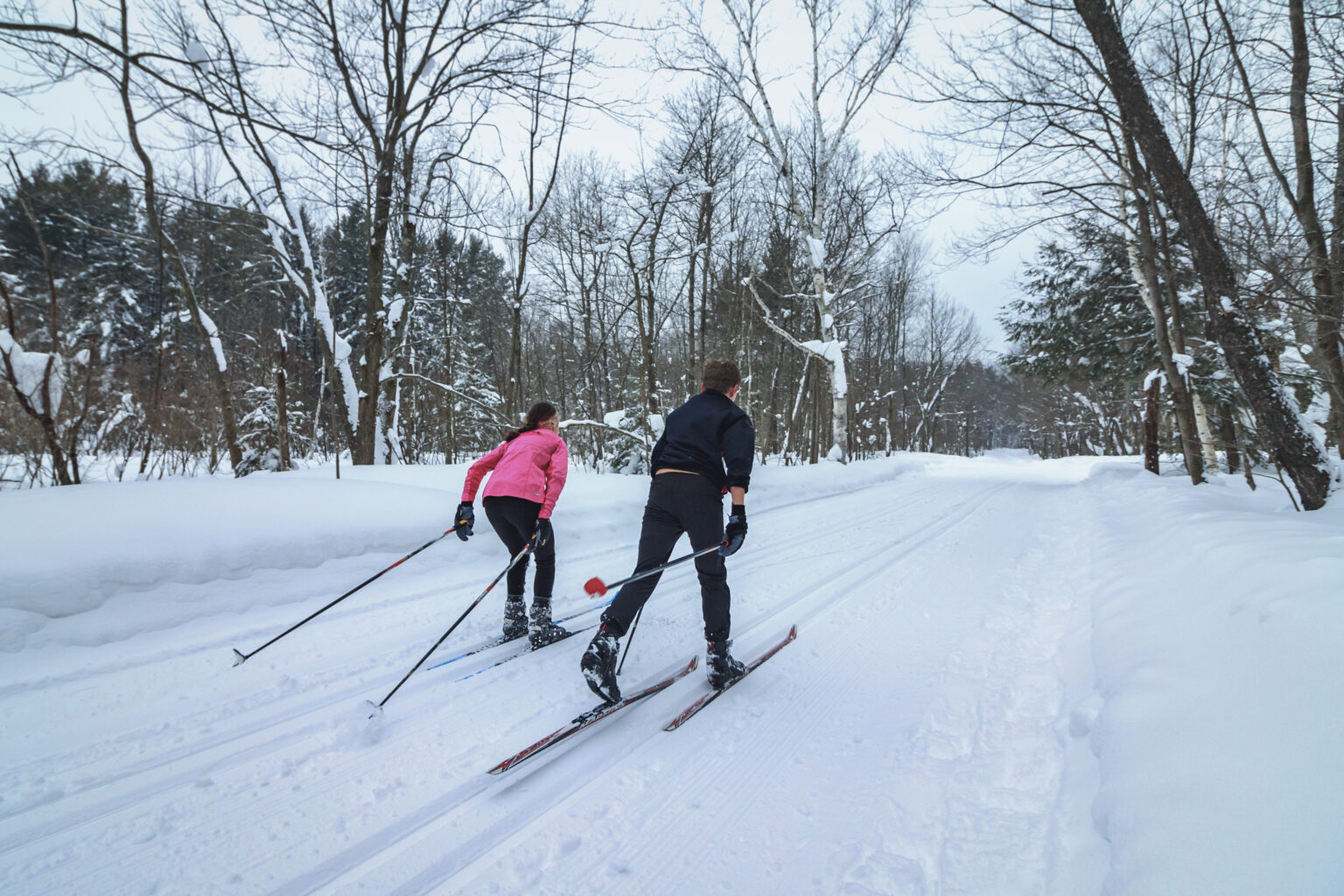
Cross-Country Skiing: The Trapp Family Lodge (Stowe) and the Craftsbury Outdoor Center (Craftsbury) offer some of the finest cross-country skiing in New England.
Ice Skating: Many Vermont towns maintain outdoor skating rinks in winter.
Cozy Inns: Vermont's country inns are at their most magical in winter — a roaring fire, a glass of local cider, and the snow falling outside.
Spring: Mud Season & Maple Syrup (March–May)
Best For: Maple syrup season, budget travelers, avoiding crowds
Crowd Level: Low
Weather: Variable (30–60°F), muddy
Spring in Vermont is known as "mud season" — the combination of snowmelt and spring rains turns the state's unpaved roads into a muddy mess. It's not the most glamorous time to visit, but it has its own rewards.
Maple Syrup Season
The maple syrup season — "sugaring" — runs from late February to early April, when the combination of cold nights and warm days causes the sap to flow in the sugar maple trees. Vermont's sugarhouses are open to visitors during the sugaring season, offering tours, tastings, and the opportunity to watch the syrup-making process.
Maple Open Farm Weekend — held in late March, this annual event opens Vermont's maple farms to visitors for tours, tastings, and demonstrations.
Spring Hiking
Higher-elevation trails may still have snow in April and May, but lower-elevation trails are excellent in spring. The wildflowers begin to bloom in May, and the waterfalls are at their most dramatic with the spring snowmelt.
Summer: Hiking, Cycling & Farm-to-Table (June–August)
Best For: Hiking, cycling, farm-to-table dining, craft beer, families
Crowd Level: Moderate (lower than fall)
Weather: Warm (60–80°F), pleasant
Summer is Vermont's most underrated season. The crowds are smaller than fall, the weather is excellent, and the state's outdoor recreation — hiking, cycling, swimming, and kayaking — is at its best.
Summer Highlights
Hiking: Vermont's trails are at their best in summer, with wildflowers in June and July and excellent weather throughout.
Cycling: The state's rolling hills and quiet back roads make it one of the finest cycling destinations in New England. The Kingdom Trails (East Burke) is one of the finest mountain biking destinations in the East.
Farmers Markets: Vermont's farmers markets are at their most vibrant in summer, with excellent local produce, cheese, and artisan food products.
Craft Beer: Vermont's craft breweries are open year-round, but summer is the best time to visit — the tap rooms are lively, the outdoor seating is open, and the seasonal beers are at their best.
Ben & Jerry's Factory (Waterbury) — the famous ice cream factory is a fun summer stop for families.
Summary: Best Time to Visit by Traveler Type
| Traveler Type | Best Season |
|---|---|
| Fall foliage | Early–mid October |
| Skiing | January–February |
| Maple syrup | Late February–early April |
| Hiking | June–September |
| Cycling | June–September |
| Budget travel | May or November |
| Avoiding crowds | May, June, or November |
| Families | July–August |
| Romance | October or February |
For more Vermont adventures, see our Vermont Small Towns Guide, Vermont Fall Foliage Guide, Vermont Hiking Guide, Vermont Farm-to-Table Food Guide, and Vermont Weekend Itinerary.