.png)
Whether it's your first or 500th visit, crossing into the U.P. fills you with wanderlust and exhilarating freedom — a four-season wilderness adventureland jutting into three of the world's largest freshwater seas.

Whether it's your first or 500th visit, crossing into the U.P. fills you with wanderlust and exhilarating freedom. Jutting into three of the world's largest freshwater seas — Lake Michigan, Lake Huron, and Lake Superior — this is a four-season, wilderness adventureland like no other.
The Upper Peninsula of Michigan is one of the most spectacular and least-visited wilderness destinations in the eastern United States. Its 16,000 square miles of forests, rivers, waterfalls, and Great Lakes shoreline are home to black bears, wolves, moose, and bald eagles — and a human population of just 300,000 people. The result is a landscape of extraordinary wildness and beauty that rewards the traveler who makes the effort to get here.
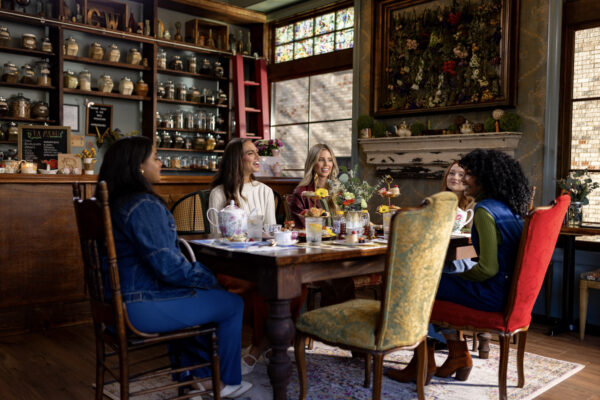
For food seekers, the U.P. satisfies cravings to wander into historic towns where unpretentious, beloved chefs keep alive Old-World recipes passed down for generations or dare to craft amazing flavors with fresh, local ingredients.
Getting to the Upper Peninsula
The U.P. is accessible by two routes from the Lower Peninsula:
The Mackinac Bridge — the "Mighty Mac," one of the longest suspension bridges in the world, connects St. Ignace (U.P.) to Mackinaw City (Lower Peninsula). The 5-mile crossing offers spectacular views of the Straits of Mackinac and is itself one of the great experiences of a U.P. trip.
The Soo Locks — for those approaching from the east, the Soo Locks at Sault Ste. Marie connect Lake Superior to Lake Huron and mark the eastern gateway to the U.P.
By Air: The U.P.'s largest airport is in Marquette, with connections to Detroit and Chicago. Smaller airports serve Escanaba, Iron Mountain, and Houghton.
Pictured Rocks National Lakeshore
Pictured Rocks National Lakeshore is the crown jewel of the Upper Peninsula's natural wonders. The park's 42 miles of Lake Superior shoreline feature sandstone cliffs that rise up to 200 feet above the lake, stained in brilliant colors by mineral seepage — reds, oranges, yellows, and greens that create a natural canvas unlike anything else in the Midwest.
How to See the Cliffs:
By Boat: Pictured Rocks Cruises from Munising offers 2.5-hour narrated boat tours that pass the most dramatic sections of the cliffs. This is the most accessible way to see the cliffs and provides perspectives that are impossible from land. Book well in advance — the tours sell out weeks ahead in summer.
By Kayak: Kayaking along the base of the cliffs is one of the most spectacular paddling experiences in North America. Several outfitters in Munising offer guided kayak tours. The sea caves at Miners Beach are particularly dramatic.
By Hiking: The North Country Trail provides access to the most dramatic cliff-top viewpoints. The Chapel Loop (10 miles) is the most popular hike in the park, passing Chapel Falls, Chapel Rock, and Chapel Beach — three of the park's most iconic features.
Top Viewpoints:
- Miners Castle — the most photographed feature in the park, a dramatic sandstone formation rising above the lake
- Chapel Rock — a lone sandstone pillar with a tree growing from its top, accessible via the Chapel Loop trail
- Spray Falls — a waterfall that drops directly into Lake Superior, accessible by kayak or a short hike
Tahquamenon Falls State Park
Tahquamenon Falls State Park is home to the Upper Tahquamenon Falls — one of the largest waterfalls east of the Mississippi River. The falls' amber-colored water (stained by tannins from the surrounding cedar swamps) creates a dramatic visual effect, particularly in the golden light of late afternoon.
The Upper Falls measure 200 feet across and drop 50 feet — the second-largest waterfall by volume east of the Mississippi. The viewing platforms provide excellent perspectives of the falls, and the surrounding forest is spectacular in fall.
The Lower Falls — about 4 miles downstream — are a series of smaller cascades that can be explored by canoe. Canoe rentals are available at the park, and paddling between the upper and lower falls is one of the most enjoyable activities in the U.P.
The Tahquamenon Falls Brewery & Pub — located at the upper falls — is one of the most uniquely situated restaurants in Michigan, serving craft beers brewed on-site and a menu that celebrates the U.P.'s culinary traditions.
The Waterfalls of the Upper Peninsula
The U.P. has more than 300 named waterfalls — more than any other state east of the Rocky Mountains. The waterfalls range from roadside cascades to remote wilderness falls accessible only by trail.
Top Waterfalls:
- Tahquamenon Falls (Newberry) — the most famous, and deservedly so
- Bond Falls (Paulding) — a spectacular tiered waterfall on the Middle Branch of the Ontonagon River
- Agate Falls (Trout Creek) — a beautiful waterfall on the Middle Branch of the Ontonagon River, accessible via a short trail
- Miners Falls (Munising) — a 40-foot waterfall in Pictured Rocks National Lakeshore, accessible via a 1.2-mile trail
- Laughing Whitefish Falls (Sundell) — a 100-foot waterfall in a remote state forest, requiring a 2-mile hike
Lake Superior Shoreline
Lake Superior is the largest freshwater lake in the world by surface area, and the U.P.'s 1,000 miles of Lake Superior shoreline offer some of the most dramatic coastal scenery in the Midwest.
Pictured Rocks offers the most dramatic cliff scenery, but the Lake Superior shoreline extends far beyond the national lakeshore:
- Presque Isle Park (Marquette) — a rocky peninsula jutting into Lake Superior, with dramatic wave action and excellent hiking
- Porcupine Mountains Wilderness State Park (Ontonagon) — the largest state park in Michigan, with old-growth forest, waterfalls, and 35 miles of Lake Superior shoreline
- Copper Harbor — the northernmost point of the Keweenaw Peninsula, with dramatic rocky shoreline and excellent mountain biking
The Keweenaw Peninsula: Copper Country
The Keweenaw Peninsula — the "Copper Country" — juts 70 miles into Lake Superior from the western U.P. The peninsula was the site of the world's first major copper mining boom in the 1840s, and the legacy of that era is visible in the beautifully preserved Victorian architecture of towns like Calumet and Laurium.
Keweenaw National Historical Park preserves the story of the copper mining era, with interpretive sites throughout the peninsula. The park's visitor center in Calumet is an excellent starting point.
Mountain Biking: The Keweenaw Peninsula has developed into one of the premier mountain biking destinations in the Midwest, with an extensive network of trails that wind through the old copper mining landscape.
The Pasty: U.P. Soul Food
No visit to the U.P. is complete without trying a pasty — the hand-held meat pie brought to the region by Cornish miners in the 19th century. The U.P. pasty is a cultural institution, and every town has its own beloved pasty shop with recipes that have been perfected over generations.
The classic pasty contains beef, potato, rutabaga, and onion, wrapped in a thick pastry crust. The rutabaga is non-negotiable — it's what distinguishes a genuine U.P. pasty from an imitation. The pasty was designed to be eaten by miners who couldn't wash their hands — the thick crust served as a handle that was discarded after the filling was eaten.
Best Pasty Shops:
- Lehto's Pasties (St. Ignace) — a U.P. institution since 1947
- Muldoon's Pasties (Munising) — known for their generous fillings and flaky crust
- Jean Kay's Pasties (Marquette) — a Marquette institution with a loyal local following
Seasonal Guide
Summer (June–August): Peak season. Pictured Rocks boat tours run daily. Waterfalls are at their most accessible. Lake Superior is warm enough for swimming (relatively speaking — it's still cold). Book accommodations well in advance.
Fall (September–October): The best time to visit for fall color. The U.P.'s hardwood forests — maple, birch, aspen — turn brilliant shades of red, orange, and gold. The crowds thin significantly after Labor Day, and the weather is often excellent through October.
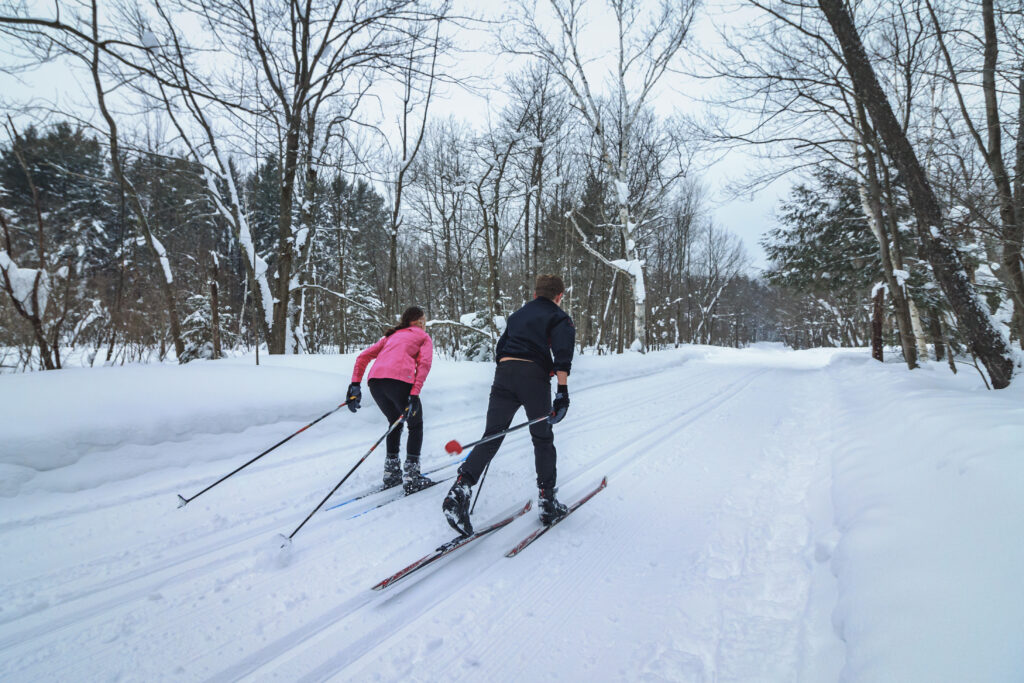
Winter (November–March): The U.P. receives more snow than almost anywhere else in the eastern United States, and the winter landscape is spectacular. Snowmobiling, cross-country skiing, and ice fishing are the primary winter activities. The ice caves at Pictured Rocks (when conditions allow) are one of the most spectacular winter experiences in the Midwest.
Spring (April–May): The waterfalls are at their most powerful, fed by snowmelt. The forests are coming back to life. Fewer crowds than summer. The black flies can be intense in May — bring insect repellent.
Where to Stay
Munising — the best base for Pictured Rocks, with a range of accommodations from budget motels to vacation rentals.
Marquette — the U.P.'s largest city, with the widest range of accommodations and the best restaurant scene. An excellent base for exploring the central U.P.
Copper Harbor — the most remote and scenic base, at the tip of the Keweenaw Peninsula. Limited accommodations, but the setting is extraordinary.
Newberry — the best base for Tahquamenon Falls, with several motels and vacation rentals.
Frequently Asked Questions
How long does it take to drive across the Upper Peninsula? The U.P. is about 330 miles from east to west. Driving straight through takes about 5–6 hours, but the scenery and the stops along the way make it a multi-day journey.
Is the Upper Peninsula worth the drive from Detroit or Chicago? Absolutely. The U.P. is about 5–6 hours from Detroit and 6–7 hours from Chicago — a long drive, but the destination justifies it. Most visitors spend at least 4–5 days to do it justice.
What is the best single thing to do in the Upper Peninsula? The Pictured Rocks boat tour from Munising is the single most spectacular experience in the U.P. — 2.5 hours of extraordinary scenery that is unlike anything else in the Midwest.
When is the best time to visit the Upper Peninsula? Late September through mid-October for fall color and smaller crowds. Summer for the full range of activities. Winter for snowmobiling and the ice caves at Pictured Rocks (when conditions allow).
What should I pack for a U.P. trip? Layers — the weather can change quickly, and Lake Superior creates its own microclimate. Insect repellent is essential in summer. Good hiking boots are a must. And bring a cooler for pasties.
For more information, visit uptravel.com. Also explore our guide to the classic Upper Peninsula road trip with a stop at Clyde's Drive-In and Tawas Bay along the shores of Lake Huron.