.png)
Skagway is where the Klondike Gold Rush began in earnest -- a boomtown that went from zero to 10,000 people in a year and sent stampeders over the Chilkoot Pass into the Yukon. The trails they walked are still here, and they are extraordinary.
In the summer of 1897, a ship docked in Seattle carrying a ton of Klondike gold, and within weeks, 100,000 people had decided to go north. Most of them came through Skagway. The town at the head of the Lynn Canal became the gateway to the Yukon, and the trails over the Coast Mountains -- the Chilkoot Pass and the White Pass -- became the most famous routes in North American history.
Today Skagway has about 1,000 permanent residents and receives more cruise ship passengers per capita than any other port in Alaska. The gold rush infrastructure is remarkably intact. The Klondike Gold Rush National Historical Park preserves the downtown district, the trails, and the stories of the stampeders who walked them. The White Pass & Yukon Route Railroad still runs over the same route the stampeders used, through scenery that has not changed in 125 years.
White Pass & Yukon Route Railroad
The single most popular excursion in Skagway is the White Pass & Yukon Route Railroad, and it earns that status. The narrow-gauge railway was built in 1898 to carry supplies over the White Pass to the Yukon goldfields, and it climbs 2,865 feet in 20 miles through some of the most dramatic mountain scenery in North America.
The route follows the White Pass Trail, passing Dead Horse Gulch (where 3,000 horses died during the gold rush), crossing the international border into British Columbia, and reaching the summit at White Pass before returning to Skagway. The views from the train -- sheer cliffs, waterfalls, glacial valleys, and the town of Skagway far below -- are genuinely spectacular.
Most cruise excursions run the Summit Excursion, which goes to the summit and back in about three hours. Longer options continue to Carcross in the Yukon or connect with bus tours to Whitehorse. The train is appropriate for all ages and fitness levels.
Book through your cruise line or directly with the railroad. This is the most popular excursion in Skagway and sells out early.
Chilkoot Trail: The Stampeders' Route
The Chilkoot Trail is one of the most historically significant hiking trails in North America. The stampeders of 1897-98 carried their required year's worth of supplies -- 2,000 pounds per person -- over this 33-mile route from Dyea (near Skagway) to Lake Bennett in British Columbia. The Canadian Mounties required the supplies to prevent starvation in the Yukon, and the stampeders made dozens of trips back and forth over the pass to move everything.
The full trail takes three to five days and requires a permit from Parks Canada. It is not an option for a port day. However, the lower sections of the trail are accessible as day hikes and offer a genuine connection to the gold rush experience.
The Dyea Flats and lower Chilkoot Trail can be reached by taxi or rental car from Skagway (Dyea is about nine miles from town). The first few miles of trail follow the Taiya River through forest and past the ruins of the Dyea townsite, which was abandoned when the railroad made the Chilkoot route obsolete. The ruins are eerie and fascinating -- building foundations, collapsed structures, and the occasional artifact visible in the underbrush.
Skagway Historic District: Walking the Boomtown
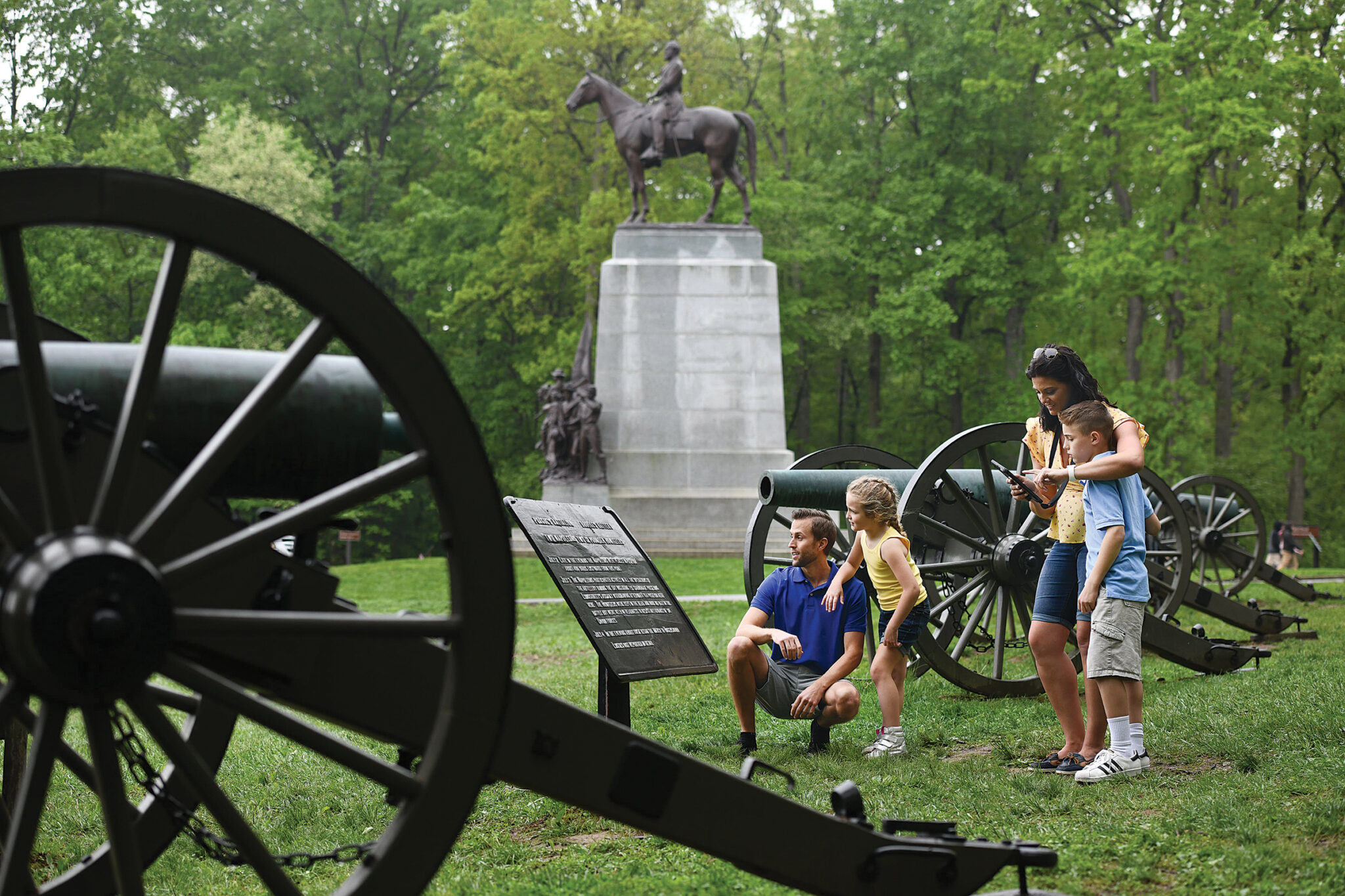
The Klondike Gold Rush National Historical Park preserves six blocks of downtown Skagway essentially as they appeared in 1898. The wooden storefronts, boardwalks, and false-front buildings are authentic -- not reconstructions -- and the park rangers do an excellent job of interpreting the history.
The visitor center in the old White Pass & Yukon Route depot is a good starting point. Rangers lead free walking tours of the historic district throughout the day. The tours cover the story of Jefferson Randolph "Soapy" Smith, the con man who ran Skagway's criminal underworld until he was shot in 1898, and Frank Reid, the city engineer who killed him and died of his wounds three days later.
The Moore Homestead, the oldest building in Skagway, is open for tours. Captain William Moore built it in 1887, a decade before the gold rush, after correctly predicting that the White Pass would become a major route north.
Hiking: AB Mountain and Dewey Lakes
For hikers who want elevation and views, AB Mountain (also called Skagway Mountain) rises directly behind town. The trail gains 3,500 feet in about 3.5 miles and reaches a summit with views over the Lynn Canal, the Skagway River valley, and the surrounding peaks. This is a strenuous hike -- allow four to five hours round trip -- but the views are among the best accessible from any cruise port in Alaska.
The Dewey Lakes Trail system offers easier options. Lower Dewey Lake is about a mile from downtown and gains 600 feet. The lake sits in a cirque below the peaks and is a good destination for a moderate two-hour hike.
Practical Notes
Distance from dock: Downtown Skagway is walkable from the cruise terminals. The historic district is about a five-minute walk.
Dyea: Accessible by taxi (about $15 each way) or rental car. Worth the trip for the ruins and the lower Chilkoot Trail.
Timing: Ships typically dock from 7 a.m. to 8 p.m. in Skagway. The railroad excursion takes three hours; plan the rest of your day around it.
Weather: Skagway is drier than most Southeast Alaska ports -- it sits in a rain shadow and receives about 26 inches of precipitation annually. Temperatures are cooler at elevation; bring layers.
Crowds: Skagway is a small town with a large cruise ship presence. The historic district gets crowded midday. The trails above town are quieter.
Skagway is the most historically dense port on the Inside Passage. The gold rush happened here, and the evidence of it is everywhere -- in the buildings, the trails, the railroad, and the stories the rangers tell. Give it a full day and walk as much of it as you can.