.png)
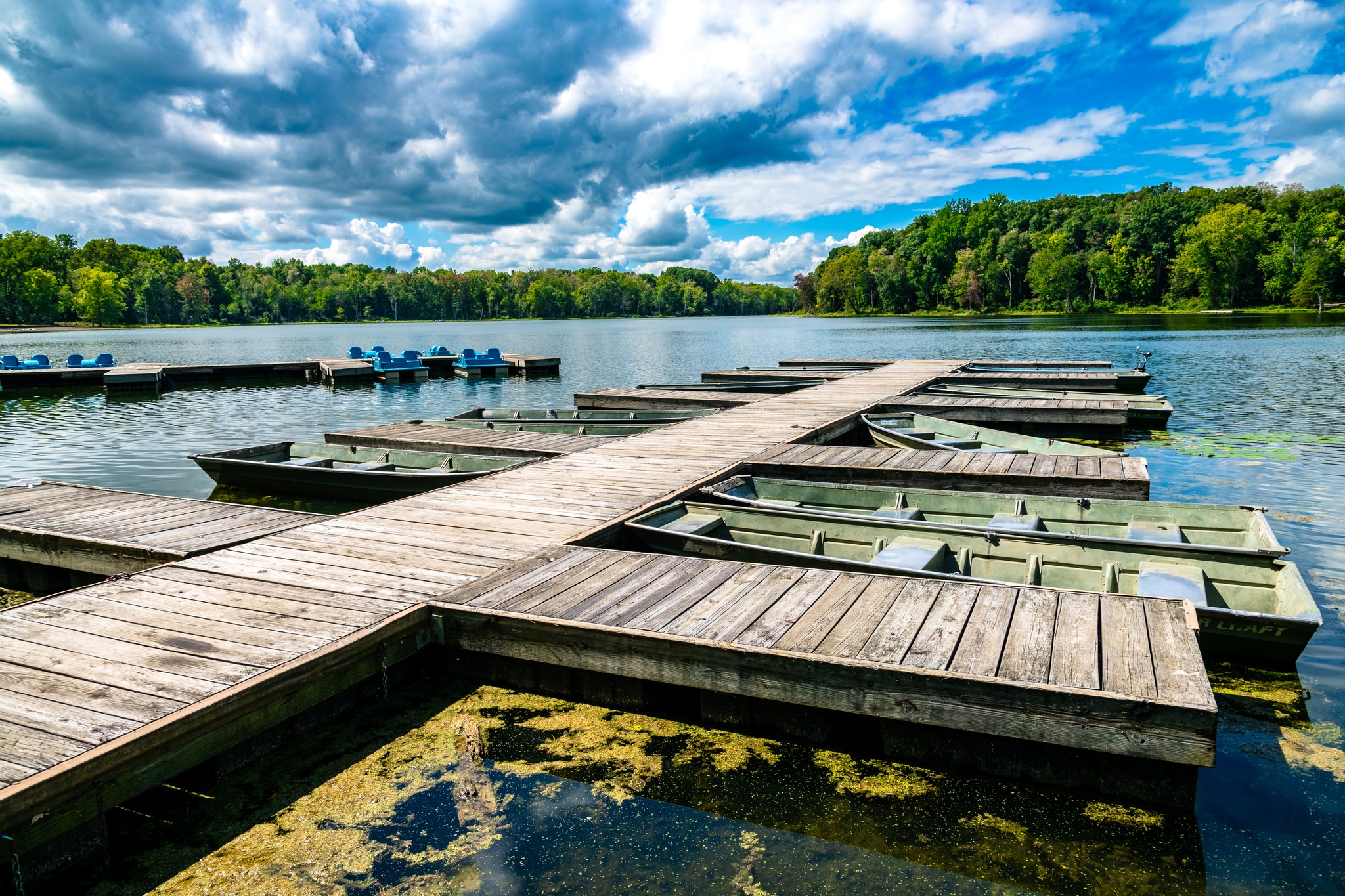
Summersville Lake is the largest clear water lake in West Virginia — 60 miles of shoreline, 2,800 acres of water, and crystal-clear blue waters that have earned it the nickname 'the Little Bahamas of the East.'

Summersville Lake is the largest clear water lake in West Virginia. The lake has 60 miles of shoreline and 2,800 acres of water with relatively warm temperatures and superior water visibility. Summersville Lake has been called "the Little Bahamas of the East" by divers from around the world for its beautiful blue waters and crystal-clear summertime visibility.
The comparison to the Bahamas is not hyperbole. In summer, the lake's water takes on a vivid turquoise-blue color that is genuinely startling in the context of the Appalachian Mountains. Visibility can exceed 40 feet — exceptional for a freshwater lake — and the surrounding sandstone cliffs and forested hills create a setting of extraordinary beauty.
The Lake: An Overview
Summersville Lake was created in 1966 when the Army Corps of Engineers completed Summersville Dam on the Gauley River. The dam was built for flood control and water supply, but the lake it created has become one of West Virginia's most popular recreational destinations.
The Numbers:
- 2,800 acres of water surface
- 60 miles of shoreline
- Maximum depth: 325 feet
- Average summer water temperature: 70–75°F (surface)
- Summer visibility: up to 40 feet
The lake's exceptional clarity is a result of its geology — the surrounding sandstone and shale don't contribute the sediment and tannins that cloud most Appalachian lakes. The result is water that is genuinely blue, genuinely clear, and genuinely beautiful.
Scuba Diving and Snorkeling
Summersville Lake's exceptional water clarity makes it one of the premier freshwater diving destinations in the eastern United States. The lake's submerged structures — including the remnants of the town of Gad (flooded when the dam was built), old bridges, and the dam's intake structures — provide fascinating underwater exploration.
What to See:
- The Ghost Town of Gad — the foundations and remnants of a small mining community, submerged when the lake was created. The structures are visible in the clear water and provide a haunting, fascinating dive.
- The Intake Towers — the dam's intake structures are a dramatic underwater feature, rising from the lake floor in the deep water near the dam.
- The Old Bridge — the remnants of a bridge that crossed the Gauley River before the lake was created, now submerged in about 30 feet of water.
- The Cliffs — the underwater faces of the lake's sandstone cliffs continue below the waterline, providing dramatic wall diving.
Diving Season: Late spring through early fall, when water temperatures are comfortable and visibility is at its best. The lake's diving season typically runs from May through October.
Dive Shops: Several dive shops in the Summersville area offer equipment rentals, guided dives, and certification courses. Summersville Lake Scuba is the most established operator, with guided dives for all experience levels.
Snorkeling: The lake's clear, warm surface water is excellent for snorkeling, particularly in the coves and along the cliff faces where the water is shallow enough to see the bottom.
Rock Climbing
The cliffs surrounding Summersville Lake are among the most celebrated rock climbing destinations in the eastern United States. The lake's sandstone cliffs — the same Nuttall sandstone that makes the New River Gorge famous — provide exceptional climbing on routes that range from beginner-friendly to world-class.
The Climbing:
- Over 700 established routes on the lake's cliffs
- Routes range from 5.5 to 5.14 difficulty
- The most popular climbing areas are on the north and west shores of the lake
- Many routes end at the water's edge, allowing climbers to jump or lower directly into the lake
The Gauley Season Connection: The annual Gauley Season (September–October) brings whitewater enthusiasts from across the country to the nearby Gauley River, which releases water from Summersville Dam to create some of the most challenging whitewater in the East. The combination of rock climbing and Gauley River rafting makes fall the most exciting time to visit the Summersville area.
Climbing Outfitters: Several guide services in the area offer climbing instruction and guided climbs for all experience levels. New River Mountain Guides and ACE Adventure Resort both offer climbing programs at Summersville Lake.
Kayaking and Paddleboarding
The lake's calm, clear waters are ideal for kayaking and paddleboarding. The numerous coves and inlets provide sheltered paddling, while the lake's open water offers longer routes for more experienced paddlers.
Best Paddling Areas:
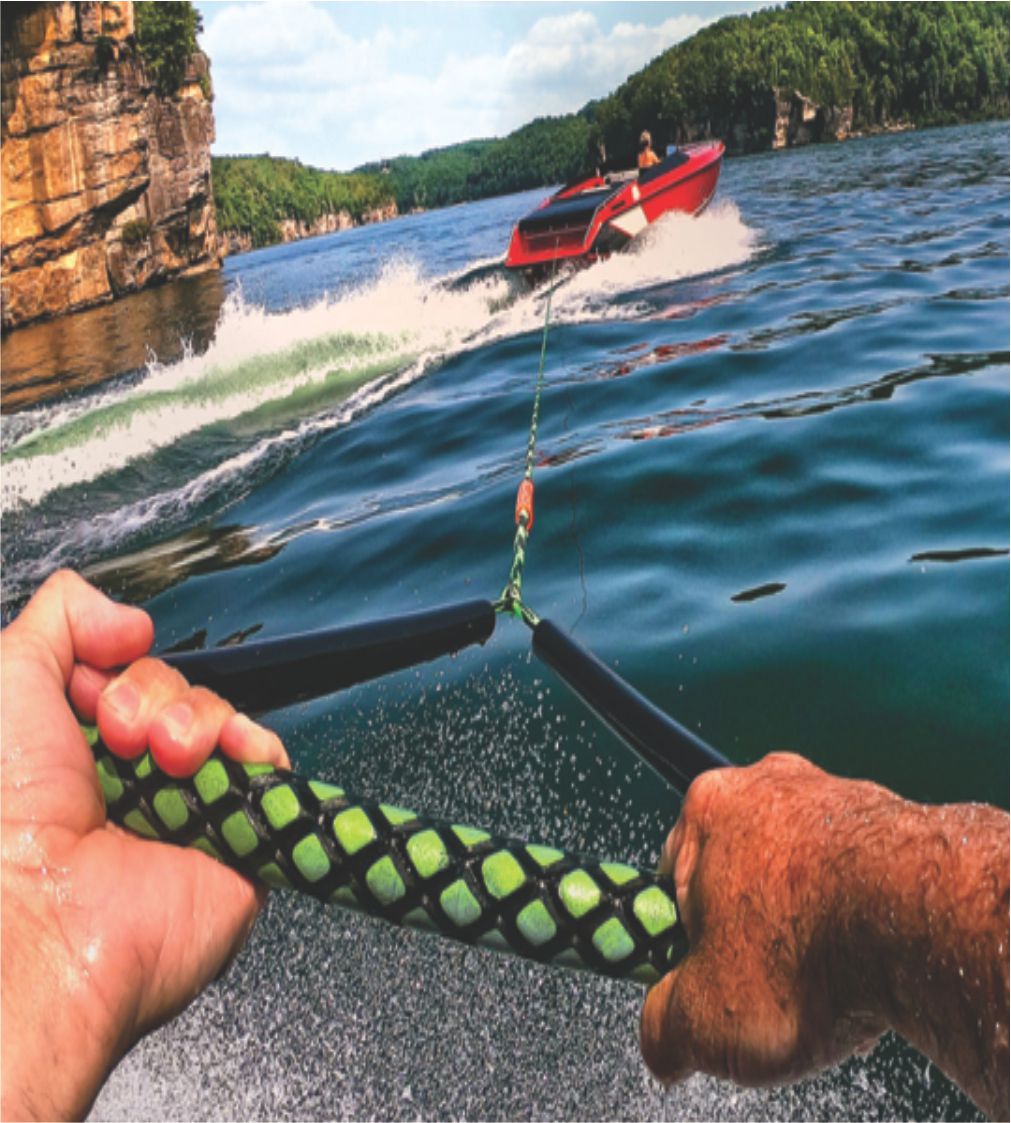
- Battle Run Recreation Area — the main public access point on the north shore, with a boat ramp and beach
- Salmon Run Recreation Area — a quieter access point on the east shore, with excellent paddling in the surrounding coves
- The Cliffs — paddling along the base of the sandstone cliffs is one of the most spectacular experiences on the lake, with the cliffs rising hundreds of feet above the water
Kayak Rentals: Several outfitters in Summersville offer kayak and paddleboard rentals. Summersville Lake Retreat and ACE Adventure Resort both offer rental equipment and guided paddling tours.
Swimming and Beach Access
The lake's warm, clear water is excellent for swimming, and several beaches provide easy access to the water.
Battle Run Beach — the main public beach on the north shore, with a sandy beach, picnic areas, and restrooms. The water is shallow near the shore and deepens gradually, making it suitable for swimmers of all abilities.
Salmon Run Beach — a smaller, quieter beach on the east shore, with excellent swimming and less crowded conditions than Battle Run.
Cliff Jumping: The lake's sandstone cliffs provide numerous cliff jumping opportunities, ranging from modest 10-foot jumps to dramatic 40-foot leaps. Exercise caution and always check water depth before jumping.
The Gauley River: World-Class Whitewater
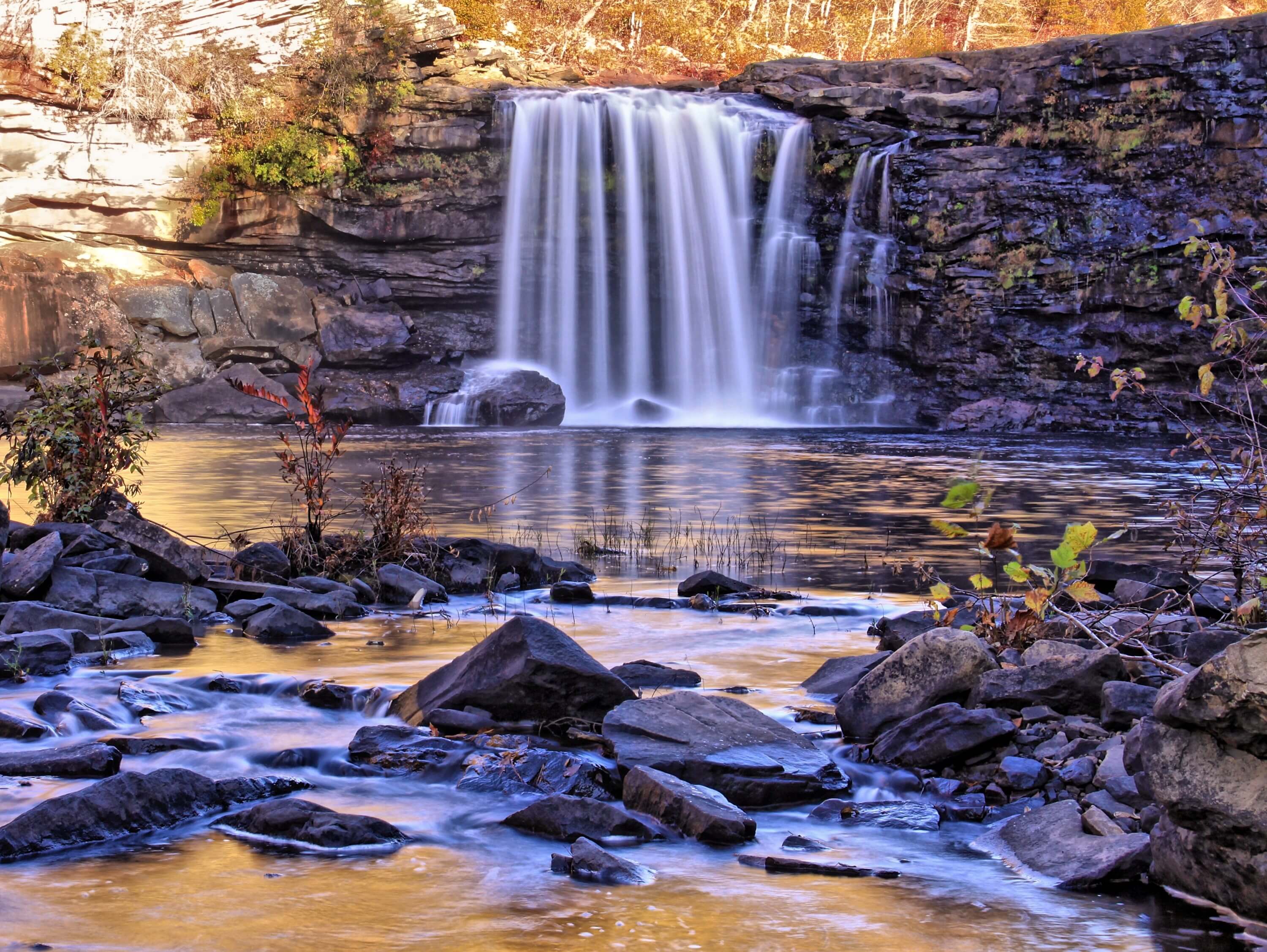
The Gauley River — which feeds into Summersville Lake — is one of the most celebrated whitewater rivers in the world. During the Gauley Season (September–October), water is released from Summersville Dam to create Class IV-V rapids that attract paddlers from around the world.
The Upper Gauley — Class IV-V rapids that are among the most challenging in the eastern United States. Not for beginners.
The Lower Gauley — Class III-IV rapids that are more accessible while still providing exceptional whitewater.
Gauley Season: The Gauley Season runs for six weekends in September and October, when the Army Corps of Engineers releases water from Summersville Dam. The releases create consistent, powerful rapids that are the highlight of the eastern whitewater calendar.
Outfitters: Numerous outfitters in the Summersville area offer guided Gauley River trips. ACE Adventure Resort, New River Gorge Adventures, and Cantrell Ultimate Rafting all offer Gauley Season trips.
Where to Stay
Summersville — the town of Summersville offers a range of accommodations, from budget motels to vacation rentals with lake views.
ACE Adventure Resort — the largest adventure resort in the region, located about 20 miles south of Summersville near the New River Gorge. The resort offers a range of accommodations and serves as an excellent base for both Summersville Lake and New River Gorge activities.
Vacation Rentals — several lakefront vacation rentals are available through Airbnb and VRBO, offering the most immersive lake experience.
Combining Summersville Lake with the New River Gorge
Summersville Lake and the New River Gorge are just 30 miles apart, making them natural companions for a Southern West Virginia adventure trip. A typical itinerary might include:
- Days 1–2: Summersville Lake (diving, kayaking, rock climbing)
- Days 3–4: New River Gorge (whitewater rafting, hiking, Fayetteville dining)
- Day 5: Gauley River rafting (in season) or Lewisburg exploration
For the complete New River Gorge guide, see our New River Gorge National Park Adventure Guide. For the broader Southern West Virginia experience, see our Southern West Virginia Travel Guide.
Frequently Asked Questions
Why is Summersville Lake called the Little Bahamas of the East? The lake's exceptional water clarity and vivid blue color — unusual for an Appalachian lake — reminded divers of Caribbean diving conditions. The nickname stuck, and it's an accurate description of the lake's visual character in summer.
Is Summersville Lake good for beginners? Yes — the lake offers activities for all experience levels. The swimming beaches are excellent for families, the kayaking is accessible to beginners, and the diving community is welcoming to new divers.
When is the best time to visit Summersville Lake? Summer (June–August) for the best water clarity and warmest temperatures. Fall (September–October) for the Gauley Season and rock climbing. The combination of Gauley Season rafting and lake activities makes October the most exciting time to visit.
How far is Summersville Lake from Charleston, WV? About 60 miles southeast of Charleston via US-19 — approximately 1 hour.
Can I camp at Summersville Lake? Yes — the Army Corps of Engineers operates several campgrounds around the lake, including Battle Run Campground on the north shore. Reservations are recommended for summer weekends.
For more information, visit visitwv.com and recreation.gov (for campground reservations). Also explore our Southern West Virginia Travel Guide and New River Gorge adventure guide — both are within an easy drive of the lake.