.png)
Port Arthur is a paradise for outdoor enthusiasts, where wide-open waters, wild landscapes and a vibrant coastal culture come together to create one unforgettable destination on the Gulf of Mexico.

Port Arthur is a paradise for outdoor enthusiasts, where wide-open waters, wild landscapes, and a vibrant coastal culture come together to create one unforgettable destination. Bordered by the Gulf of Mexico, Sabine Lake, and the Neches River, this Southeast Texas gem offers endless opportunities for boating, paddling, and world-class saltwater fishing.
Anglers can cast a line for redfish, trout, and flounder while paddlers glide through calm marshes alive with birds and Gulf breezes. But Port Arthur is more than an outdoor destination — it's a place where Texas grit meets Cajun soul, where the food is as wild and flavorful as the landscape, and where the cultural heritage of Louisiana immigrants has created something genuinely unique in the American South.
The Outdoors: Where to Go and What to Do
Sea Rim State Park
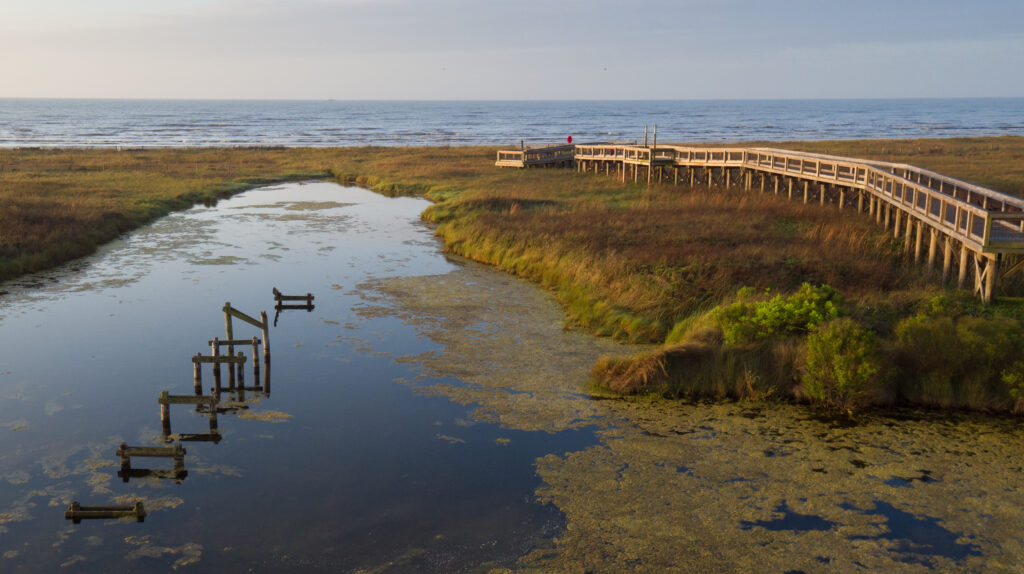
Sea Rim State Park is the crown jewel of Port Arthur's outdoor offerings — a 15,000-acre park that encompasses both Gulf beach and coastal marsh, creating a remarkable diversity of habitats in a single protected area.
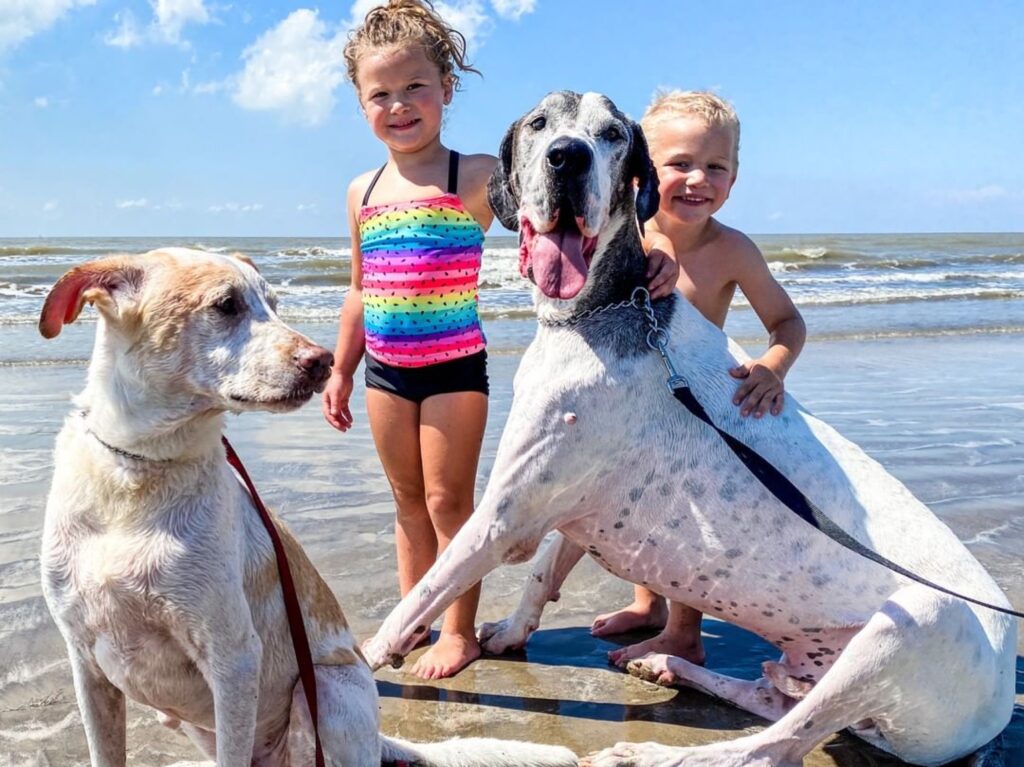
The Beach: Sea Rim's 5.2 miles of Gulf beach are among the most undeveloped on the Texas coast — no high-rises, no condos, just sand, surf, and the vast Gulf horizon. The beach is excellent for swimming, surf fishing, and beachcombing.
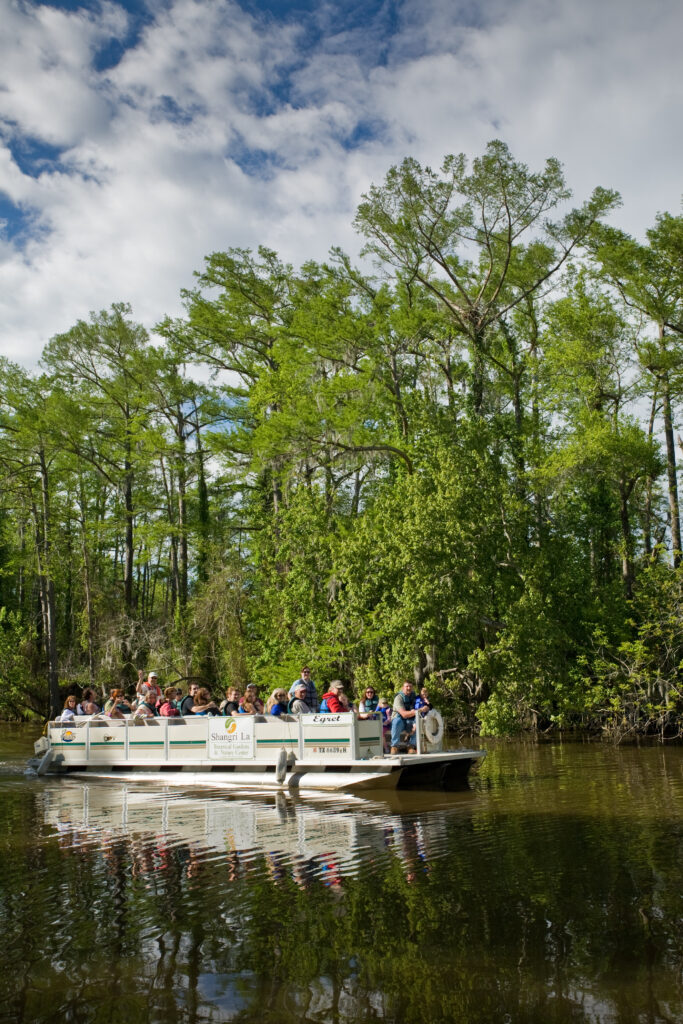
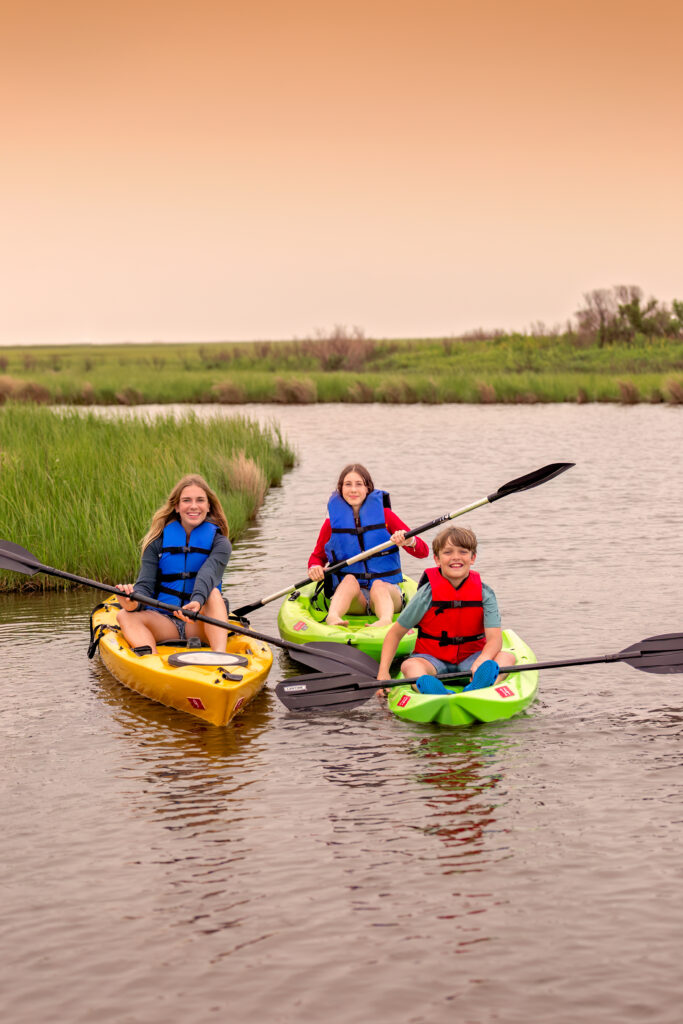
The Marsh: The park's marsh unit — accessible by kayak or canoe — is one of the most productive wildlife habitats on the Texas coast. The marsh trails wind through a landscape of cordgrass, open water, and tidal channels that are home to alligators, nutria, mink, and hundreds of species of birds.
Camping: Sea Rim offers both beach camping and marsh camping, with primitive sites accessible only by kayak. Camping in the marsh — surrounded by the sounds of the Gulf and the calls of marsh birds — is one of the most immersive outdoor experiences on the Texas coast.
McFaddin National Wildlife Refuge
The McFaddin National Wildlife Refuge encompasses 58,000 acres of coastal marsh, prairie, and beach along the Gulf Coast west of Port Arthur. The refuge is one of the most important wintering grounds for waterfowl in the Central Flyway, with hundreds of thousands of ducks and geese using the refuge each winter.
Wildlife Watching: The refuge is excellent for wildlife watching year-round, but fall and winter bring the most spectacular concentrations of waterfowl. Snow geese, Canada geese, and dozens of duck species fill the marsh from November through February.
Hunting: The refuge offers managed hunting for waterfowl and white-tailed deer. Permits are required and available through the US Fish & Wildlife Service.
Big Thicket National Preserve
About 30 miles north of Port Arthur, the Big Thicket National Preserve protects one of the most biologically diverse landscapes in North America. The Big Thicket is where the eastern hardwood forests, the Gulf coastal plains, and the western prairies all converge — creating a remarkable mosaic of ecosystems that supports an extraordinary variety of plant and animal life.
The Numbers: The Big Thicket contains four of the five carnivorous plant species found in North America, 85 tree species, 60 shrub species, and more than 1,000 flowering plant species. It has been called the "American Ark" for its biological diversity.
Hiking: The preserve offers 40 miles of hiking trails through a variety of habitats, from longleaf pine savanna to cypress swamp. The Kirby Nature Trail (2.4 miles) is the most popular, passing through several distinct plant communities and offering excellent wildlife watching.
Paddling: The Neches River and its tributaries offer excellent paddling through the preserve, with access to habitats that are inaccessible on foot.
Village Creek State Park
Village Creek State Park — located about 20 miles north of Port Arthur — offers excellent hiking, camping, and paddling in a beautiful bottomland hardwood forest. The park's 7 miles of hiking trails wind through towering magnolias, beeches, and oaks, and the creek itself offers excellent paddling.
World-Class Birding
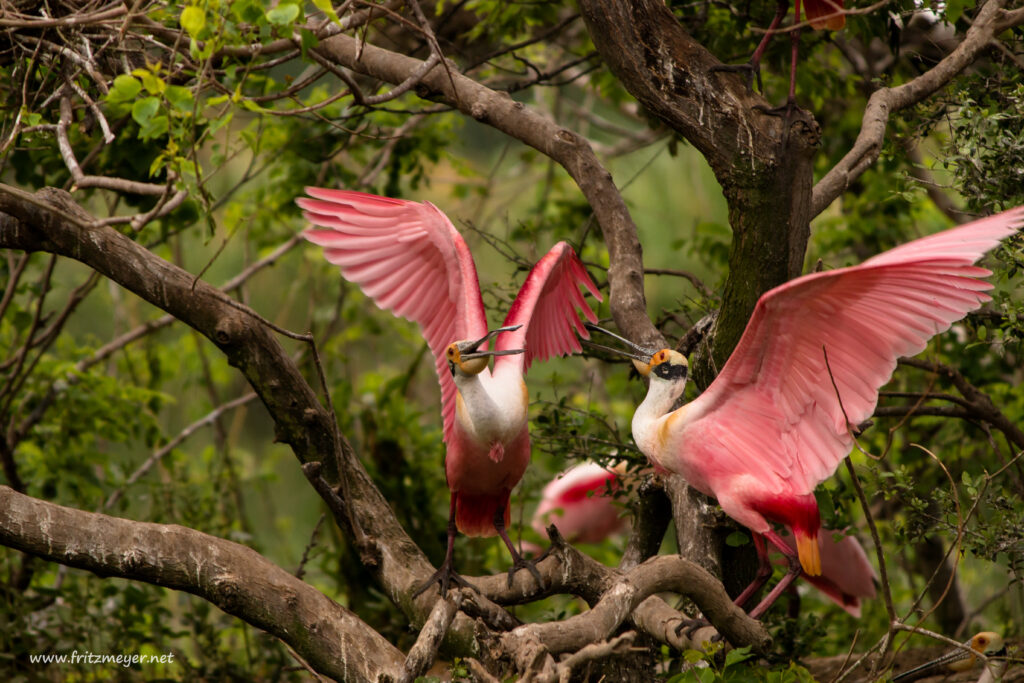
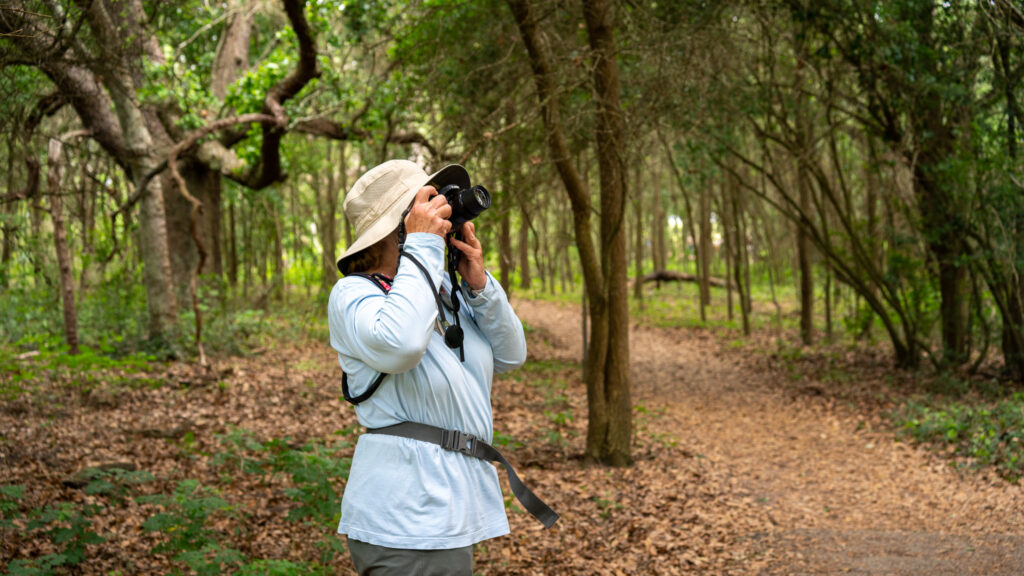
Port Arthur's location along both the Central and Mississippi flyways makes it one of the nation's premier birding destinations. With 30 birding trails within a 40-mile radius — including internationally celebrated hotspots like Sabine Woods and Cattail Marsh — migration season becomes a spectacular show of color and song for birders of every level.
Sabine Woods
Sabine Woods is one of the most famous birding spots in North America — a small grove of trees on the Gulf Coast that acts as a magnet for migrating songbirds. During spring migration (late March through May), the woods can be filled with dozens of species of warblers, tanagers, vireos, and other neotropical migrants that have just crossed the Gulf of Mexico.
The "Fallout" Phenomenon: When migrating birds encounter headwinds or storms over the Gulf, they concentrate in the first available habitat — and Sabine Woods is often that habitat. A "fallout" event, when thousands of exhausted migrants drop into the woods simultaneously, is one of the most spectacular wildlife events in North America.
Cattail Marsh
Cattail Marsh — a constructed wetland on the edge of Beaumont — is one of the best birding sites in Southeast Texas, with excellent shorebird and wading bird viewing year-round. The marsh is particularly productive during fall migration, when shorebirds concentrate in the shallow water.
Sea Rim State Park Birding
Sea Rim's combination of beach, marsh, and coastal prairie habitats makes it an excellent birding destination year-round. The park's checklist includes more than 300 species, and the marsh unit is particularly productive for rails, bitterns, and other secretive marsh birds.
Saltwater Fishing
Port Arthur's position at the confluence of Sabine Lake, the Neches River, and the Gulf of Mexico creates exceptional saltwater fishing opportunities.
Redfish
Redfish (red drum) are the signature species of the Port Arthur area — abundant, hard-fighting, and excellent table fare. The shallow marshes and grass flats of Sabine Lake and the surrounding bays are prime redfish habitat, and the fish are accessible to both wading anglers and those fishing from boats.
Best Techniques: Wading the grass flats with soft plastic lures or live shrimp is the most exciting way to catch redfish. The sight of a redfish "tailing" in shallow water — its tail breaking the surface as it feeds — is one of the great sights in saltwater fishing.
Speckled Trout
Speckled trout (spotted seatrout) are the most popular gamefish in the Port Arthur area, with excellent fishing year-round. The fish are found in the same habitats as redfish — grass flats, marsh edges, and oyster reefs — and respond to similar techniques.
Flounder
Flounder are abundant in the Port Arthur area, particularly in the fall when they migrate from the bays to the Gulf. Gigging flounder at night — wading the shallows with a light and a gig — is a traditional Southeast Texas activity that produces excellent results.
Offshore Fishing
The Gulf of Mexico off Port Arthur offers excellent offshore fishing for red snapper, king mackerel, cobia, and other species. Several charter boats operate out of the Port Arthur area, offering half-day and full-day offshore trips.
Cajun Culture and Cuisine
Beyond the outdoors, Port Arthur celebrates a rich blend of Texas grit and Cajun soul. As the official Cajun Capital of Texas, the city offers an irresistible mix of flavor, live music, and heritage.
The Food
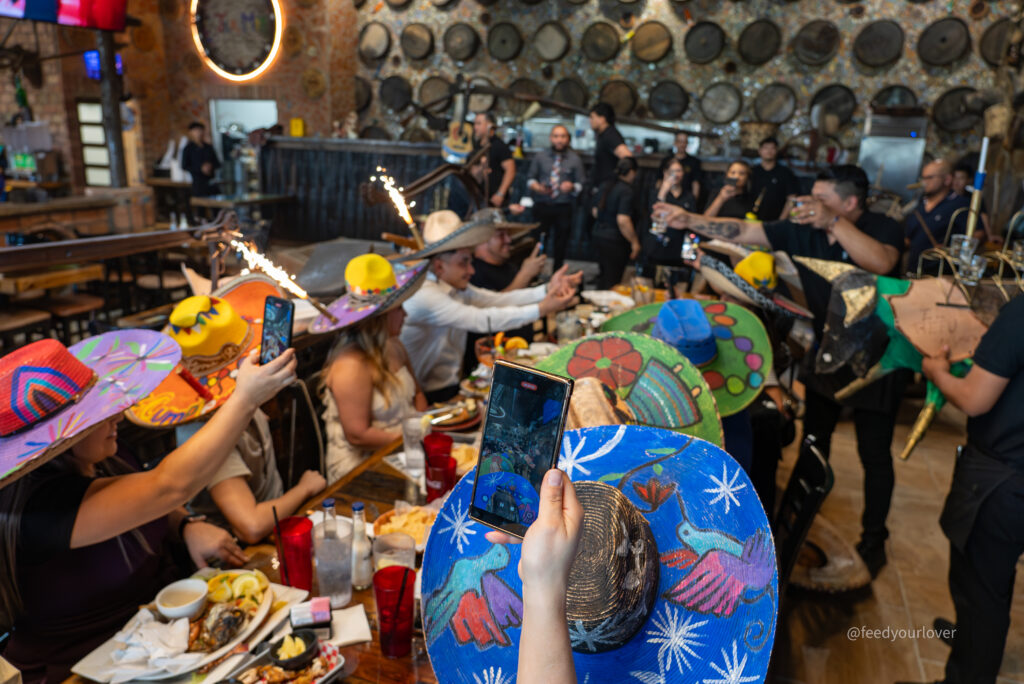
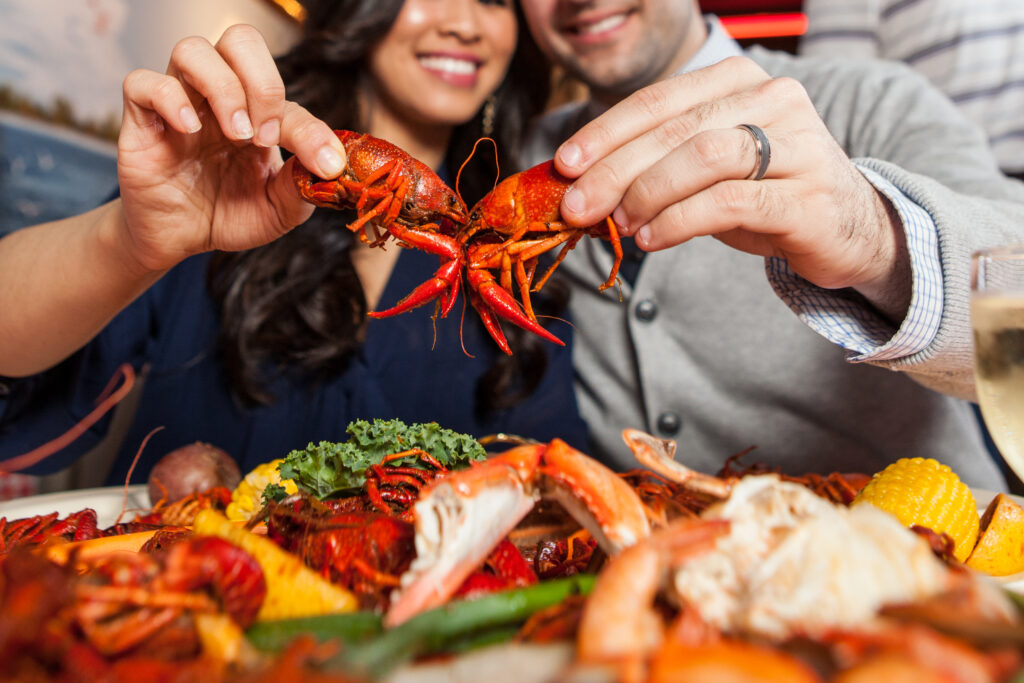
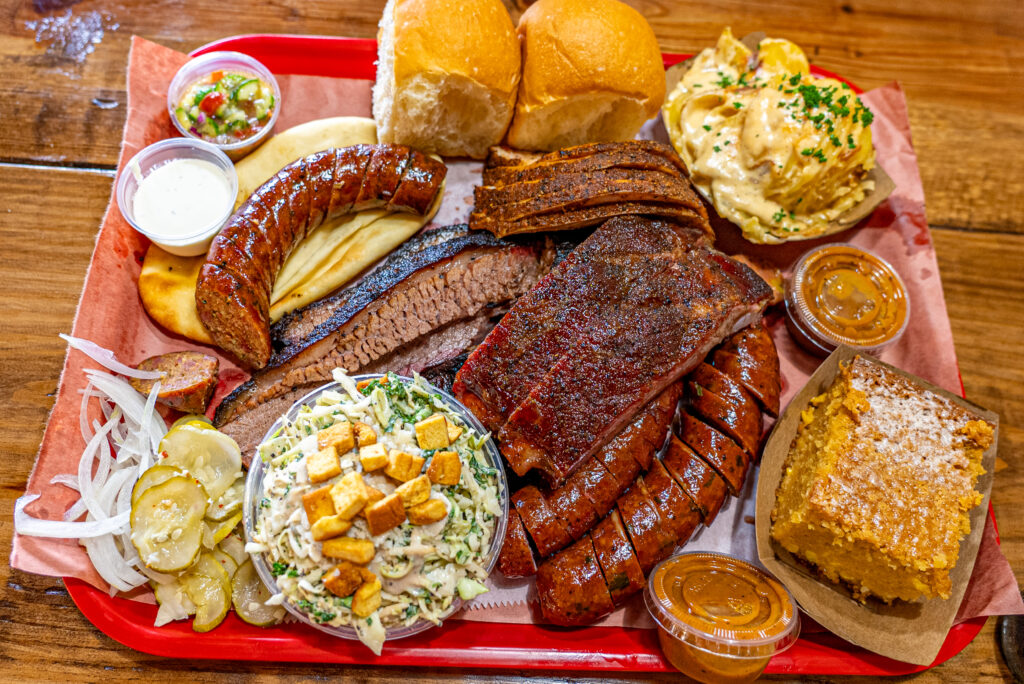
Port Arthur's food scene is deeply rooted in the Cajun traditions brought by Louisiana immigrants generations ago. This is not tourist Cajun food — it's the real thing, cooked by people whose grandmothers made the same dishes.
What to Eat:
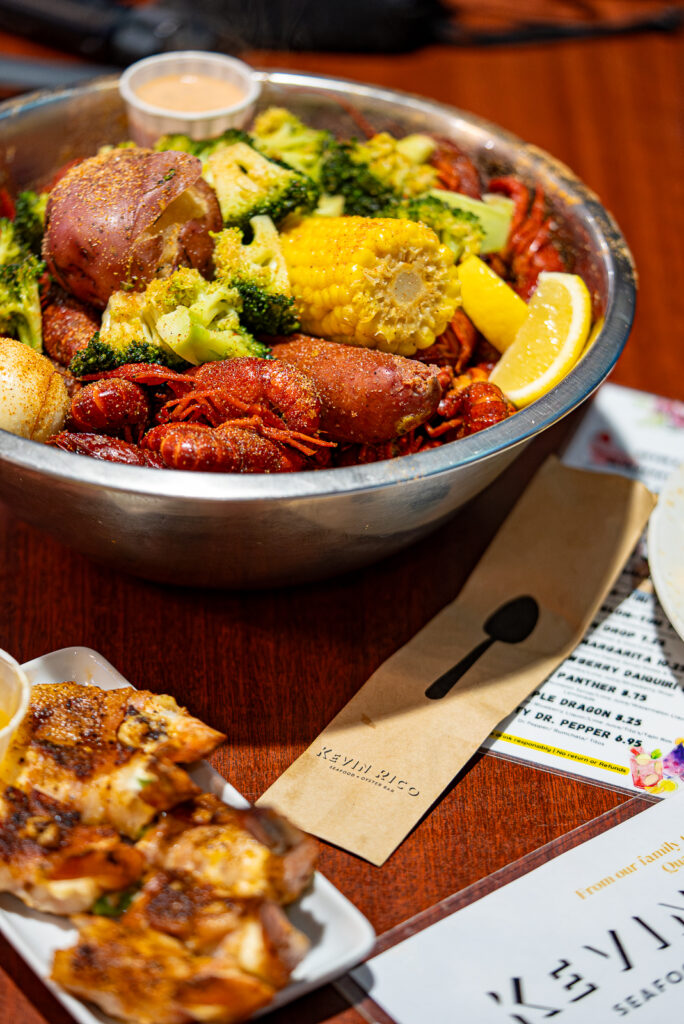
- Crawfish étouffée — the signature dish of the Cajun kitchen, with crawfish tails smothered in a rich, buttery sauce
- Boudin — a Cajun sausage made with pork, rice, and spices, served in links or as boudin balls (deep-fried)
- Gulf shrimp — fresh from the Gulf, served boiled, fried, or in a shrimp po'boy
- Gumbo — a rich, complex stew that is the soul of Cajun cooking
- Fried catfish — a Southeast Texas staple, served with hush puppies and coleslaw
Where to Eat:
- Schooner Restaurant — a Port Arthur institution serving fresh Gulf seafood and Cajun classics
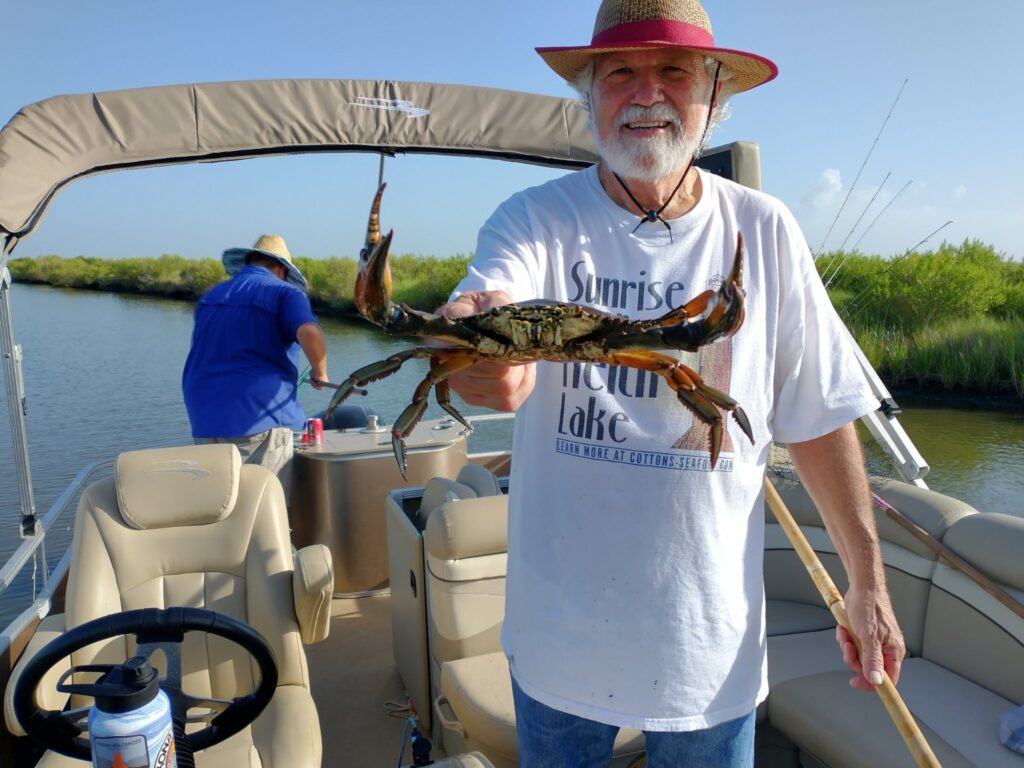
- Sartin's Seafood — famous for their barbecued crabs, a unique Port Arthur specialty
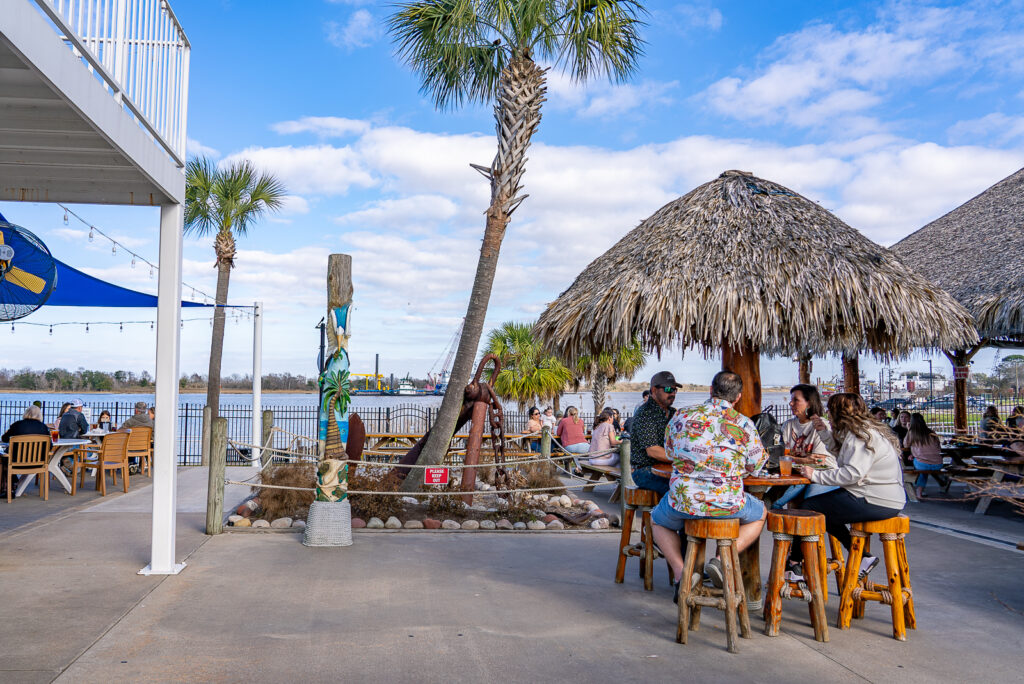
- Tia Juanita's Fish Camp — a beloved local spot for fresh Gulf seafood in a casual, waterfront setting
The Museum of the Gulf Coast
The Museum of the Gulf Coast tells the story of the region's remarkable cultural heritage — from the indigenous peoples who first inhabited the coast to the oil boom that transformed Southeast Texas in the 20th century. The museum's music exhibit celebrates the extraordinary musical legacy of the Port Arthur area, which produced Janis Joplin, Johnny Winter, and the Big Bopper.
Plan Your Visit
Getting There: Port Arthur is located in Southeast Texas, about 90 miles east of Houston via I-10 and TX-73. The city is just 20 miles from the Louisiana border.
Best Time to Visit:
- Spring (March–May): The best time for birding — spring migration brings spectacular concentrations of songbirds to Sabine Woods and the coastal marshes
- Fall (September–November): Excellent fishing and waterfowl hunting; fall migration brings shorebirds and waterfowl
- Summer (June–August): The best saltwater fishing of the year, particularly for redfish and speckled trout; hot and humid
Where to Stay:
- Port Arthur has a range of chain hotels along US-69 and TX-73
- Beaumont (20 miles north) offers a wider range of accommodations and restaurants
- Vacation rentals near Sea Rim State Park are available for those who want to be close to the outdoor activities
Frequently Asked Questions
What is Port Arthur most famous for? Port Arthur is famous for its Cajun culture and cuisine, its world-class birding (particularly at Sabine Woods during spring migration), and its excellent saltwater fishing. It's also the birthplace of Janis Joplin.
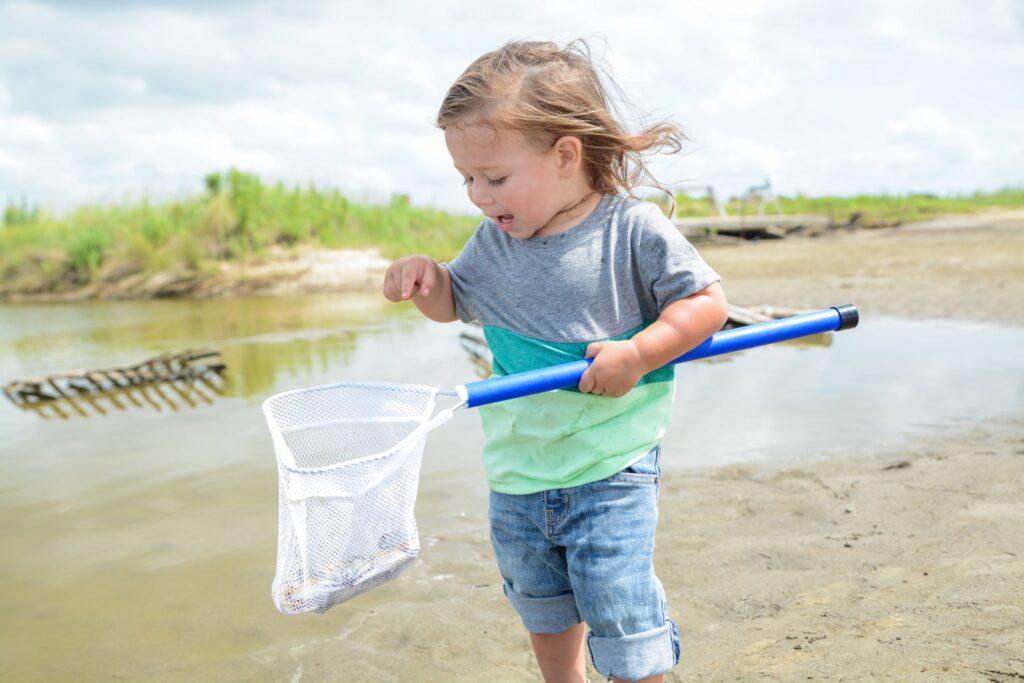
Is Port Arthur good for families? Yes — Sea Rim State Park, the Museum of the Gulf Coast, and the fishing and paddling opportunities are all excellent family activities.
When is the best time to see migrating birds at Sabine Woods? Late April through mid-May is the peak of spring migration, when the largest concentrations of neotropical migrants pass through. A "fallout" event — when thousands of birds drop into the woods simultaneously — can happen any time during this period.
How far is Port Arthur from Houston? About 90 miles east of Houston via I-10 — approximately 1.5 hours.
For more information, visit the Port Arthur Convention & Visitors Bureau at visitportarthurtx.com. Also explore our guide to Kemah and Bay Area Houston's waterfront getaways and Levy County Florida's Nature Coast.
Photo Gallery